
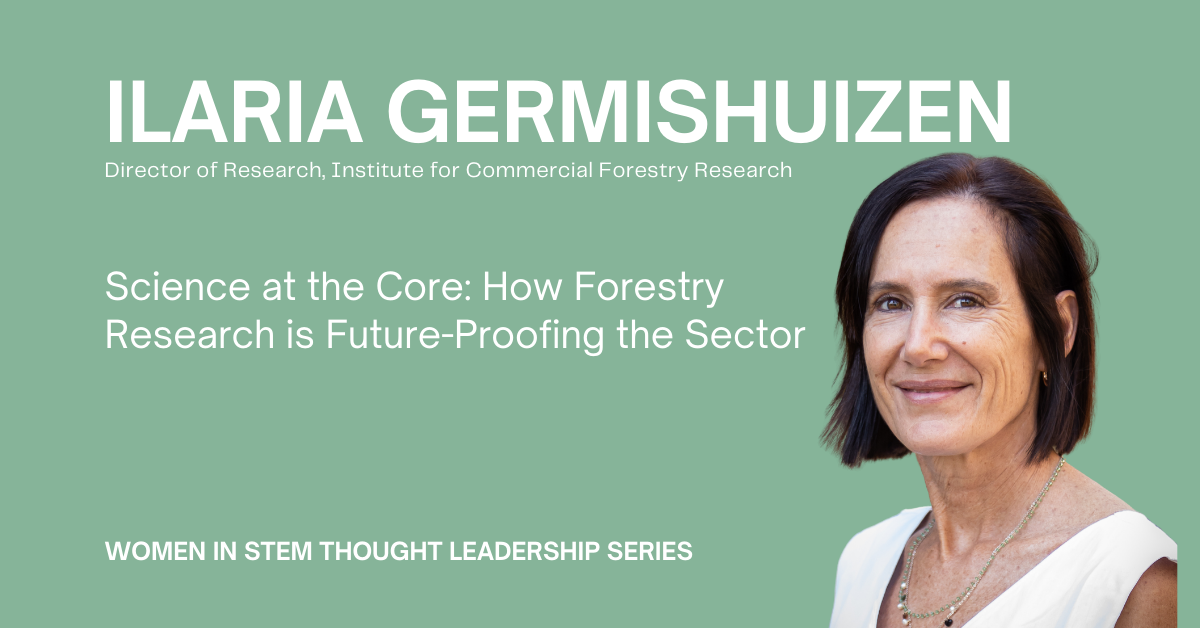
Forestry is often imagined in terms of landscapes, trees and timber products. Yet the true engine of the sector has always been science. In South Africa, where plantation forestry must operate within clear environmental limits and compete for scarce land and water resources, long-term sustainability depends on informed, evidence-based decision-making. Science provides the understanding needed to manage forests responsibly over time, particularly where the same land is planted and replanted over many decades.
Applied research allows us to understand the systems we depend on, recognise emerging risks and adapt management practices before challenges become irreversible. It is this ability to anticipate change, rather than simply react to it, that ultimately future-proofs the sector.
The critical role of applied research in forestry
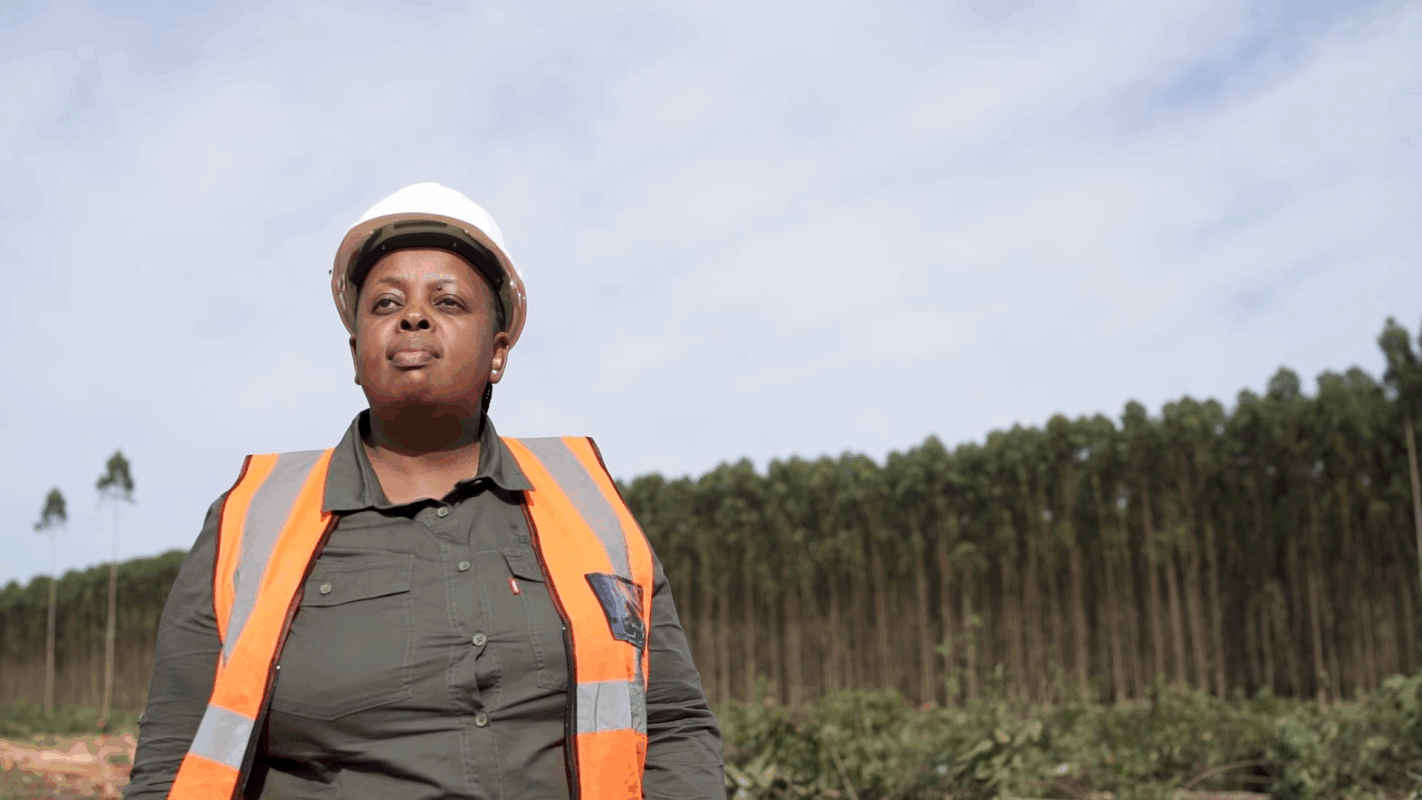
South Africa’s plantation forestry sector operates under conditions that leave little room for error. Demand for wood and fibre continues to grow, supporting industries such as pulp and paper, construction and furniture, yet the plantation land base remains finite and tightly regulated due to national water priorities. Most plantations now consist of second- to tenth-rotation crops, meaning the same land is expected to remain productive across many decades. In this context, sustainability is less about expansion and more about learning how to manage existing resources wisely.
Applied research sits at the centre of this challenge. With each new rotation, and in the context of a changing climate, pressures accumulate as soil fertility declines, pest and disease risks increases and there is greater exposure to climate extremes. ICFR’s research programmes are shaped by these realities. The focus is not on abstract theory, but on practical science that addresses real operational questions and can be applied at scale. This is where research and forestry operations become inseparable.
How ICFR’s research programmes support evidence-based decision-making across the forestry value chain
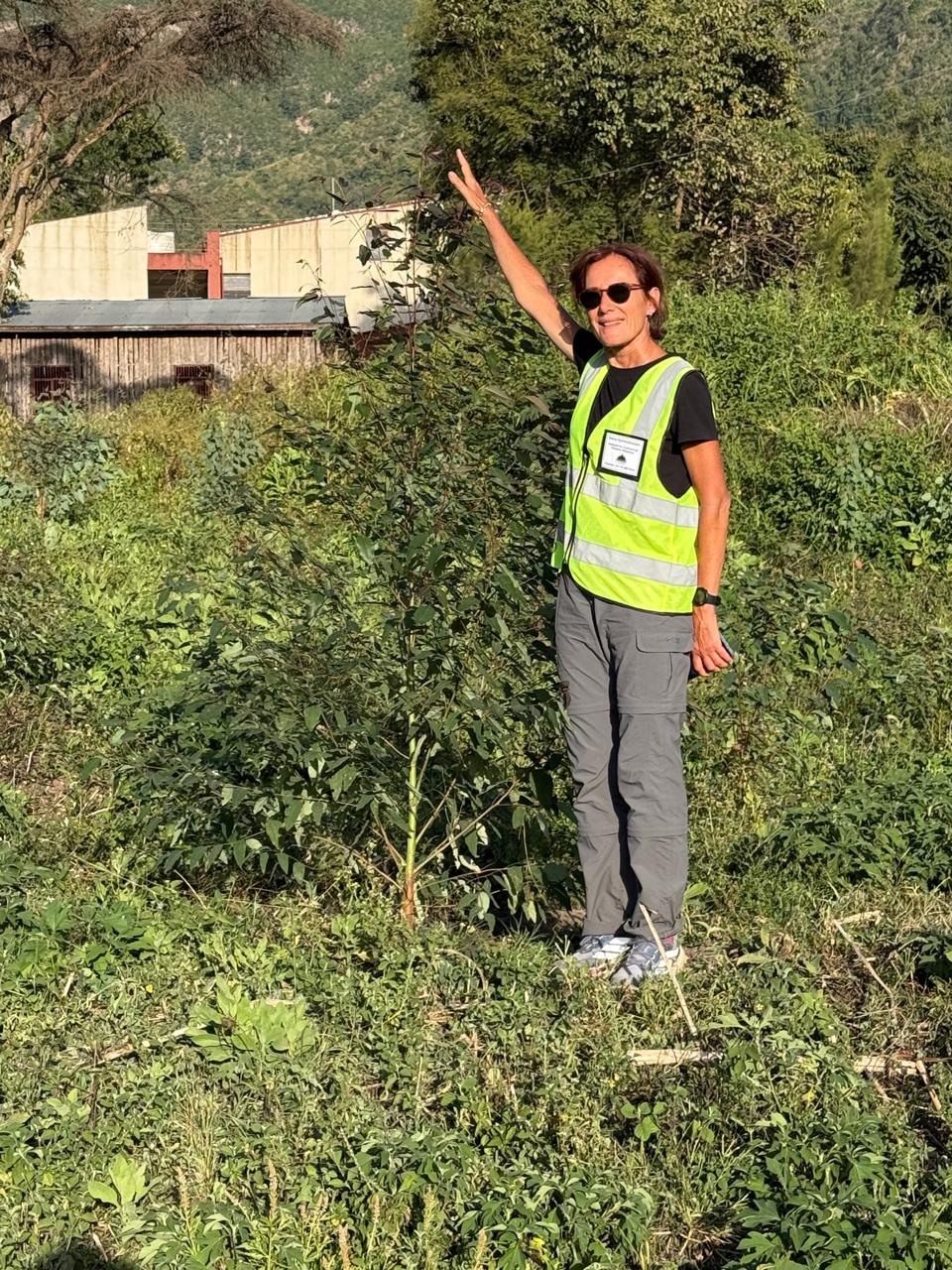
One of the ICFR’s strengths lies in its integrated research focus areas, which together support evidence-based decision-making from germplasm development through to harvest. Tree improvement, forest protection, site resilience, spatial technologies and analytical laboratory research all play interconnected roles in sustaining long-term productivity.
Tree improvement remains a cornerstone of sustainable forestry. Selecting planting material that is tolerant to pests and diseases and resilient to drought, frost and snow is no longer a future consideration, but a present-day necessity. ICFR’s long-standing work on the genetic improvement of wattle and eucalypts helps ensure that growers are not only responding to current conditions but actively preparing for those ahead.
Forest protection research has become increasingly important as climate change and global trade accelerate the movement and establishment of pests and pathogens. Through partnerships with institutions such as the Forestry and Agricultural Biotechnology Institute (FABI), the ICFR helps translate complex biological risks into practical management strategies that protect plantation health and reduce long-term vulnerability.
Long-term sustainability in forestry can only be fully understood when management impacts are measured across multiple rotations. Because plantations occupy the same land for decades, decisions made today inevitably affect the productivity and resilience of future crops. This is where the ICFR’s site resilience research plays a particularly important role.
A central focus of this work is understanding how forest operations influence site nutrients over time. Through its flagship Long-term Soil Monitoring Plots sustainability project, the ICFR is tracking changes in soil nutrient availability and litter nutrient pools across rotations, generating invaluable long-term datasets. These measurements help distinguish between short-term productivity gains and practices that genuinely sustain site potential into the future.
This work extends beyond productivity alone. Data generated through long-term soil monitoring also supports more robust, evidence-based carbon reporting, strengthening the sector’s ability to quantify its contribution to climate change mitigation while meeting national and global reporting requirements. By deepening our understanding of nutrient cycling, residue management and long-term soil processes, the ICFR’s site resilience research helps ensure that productivity gains are not achieved at the expense of future rotations, but are aligned with responsible forest management that balances production with ecosystem function.
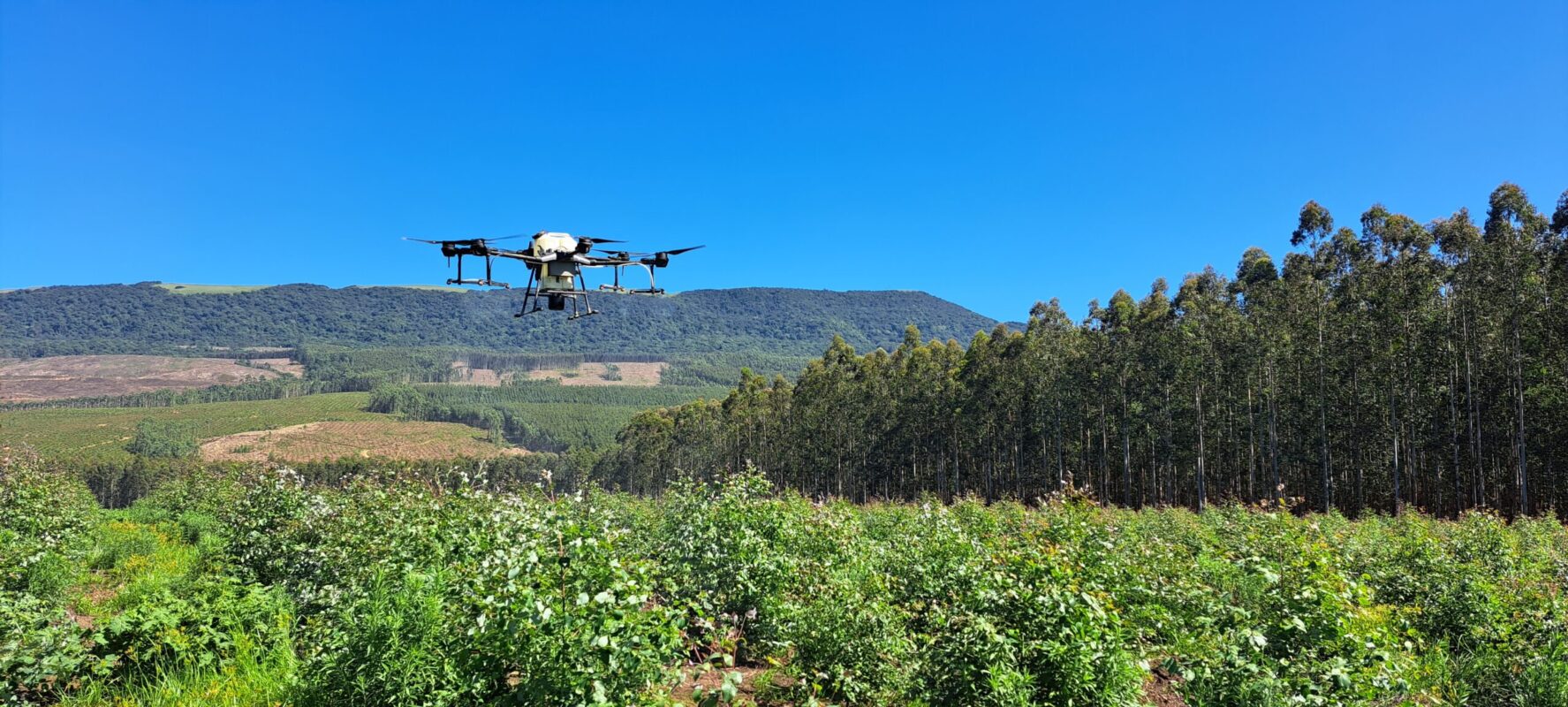
Spatial technologies bring these research areas together at a broader, landscape scale. Integrating climate, soil, topography and productivity data enables more precise matching of species and genotypes to site conditions, site-specific stand management and improved evaluation of biotic and abiotic risks. Remote sensing is becoming an increasingly important research area at the ICFR. The recent acquisition of an unmanned aerial vehicle and a state-of-the-art multispectral camera has enabled new collaborations with FABI and Stellenbosch University, supported by Forestry South Africa and the Forestry Sector Innovation Fund of the Department of Science and Innovation. This work is laying the foundation for improved forest health monitoring across multiple spatial and temporal scales.
The importance of collaboration between industry, researchers and institutions to translate science into real-world impact
Forestry research rarely succeeds in isolation. Modern plantation systems are complex, and addressing their challenges requires collaboration across disciplines, institutions and even sectors. One of the ICFR’s greatest strengths is its ability to bring industry, researchers and academic partners into a shared research space.
These collaborations ensure scientific rigour while keeping research firmly grounded in operational reality. Academic partners contribute new perspectives and methodologies, while industry partners ensure that research questions remain relevant and actionable. This collective approach strengthens the sector, reduces duplication of effort and ensures that research outcomes translate into meaningful, real-world impact.
Why continued investment in forestry research and innovation is essential to ensure long-term sector resilience and global competitiveness
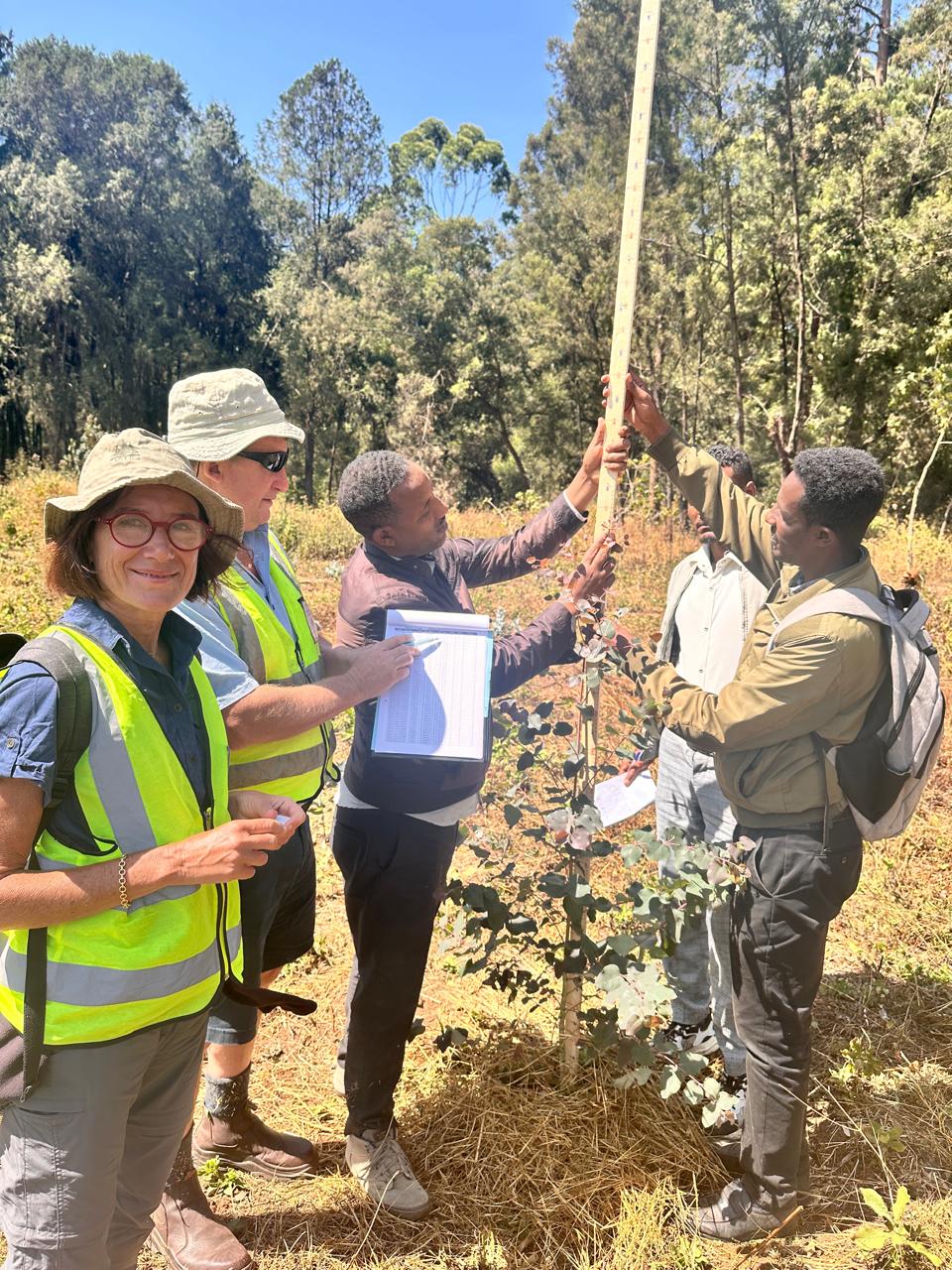
The pressures facing forestry continue to intensify. Climate change is reshaping rainfall patterns, increasing the frequency of extreme events and altering pest and disease dynamics. At the same time, global markets increasingly demand forest products that are sustainably produced, traceable and responsibly managed. Navigating this complexity requires sustained investment in research and innovation.
Forestry research is an investment in resilience and competitiveness. It allows the sector to anticipate change, adapt management practices and continue contributing to national development. For South Africa, this is particularly important. Plantation forestry supports rural livelihoods, contributes significantly to GDP and plays a key role in socio-economic development. Its long-term viability depends on science-led management that balances production with environmental stewardship.
Forestry research as a pathway for women in science
Forestry also represents something that I believe has often been overlooked: its potential as a meaningful pathway for women into science and STEM careers within a sector that was, for many years, largely male-dominated. When I entered the forestry environment 25 years ago, women were few, particularly in technical and scientific roles. It was not unusual to be the only woman in meetings or industry discussions, and at the time, this was largely accepted as the norm.
Encouragingly, that picture has begun to change. Across the forestry industry and research landscape, women are becoming increasingly visible as scientists, managers and decision-makers. Research organisations such as the ICFR have played an important role in this shift by supporting women through student supervision, structured mentorship and internship programmes that provide hands-on exposure to applied research and real-world forestry challenges. These opportunities are pivotal: they build confidence, strengthen technical skills and foster a sense of belonging in a field where women were historically underrepresented.
Importantly, women are no longer only entering forestry science; they are increasingly helping to lead it. Within the ICFR and across the broader sector, women now head research programmes, manage complex projects and engage directly with industry leadership. Seeing women in senior scientific and management roles sends a powerful message that leadership in forestry science is not defined by gender. This growing visibility continues to challenge outdated perceptions of both forestry and STEM careers, contributing to a more inclusive and forward-looking sector.
Linking this work to the International Day of Women and Girls in Science highlights an important truth: forestry research is a space where women can, and increasingly do, make a meaningful difference. Forestry science is interdisciplinary, applied and closely connected to society’s future needs. For young women considering STEM pathways, it offers the opportunity to combine scientific excellence with tangible environmental and economic outcomes.
By investing in applied research, collaborative partnerships and people, organisations like the ICFR are not only strengthening the resilience and competitiveness of the forestry sector, but also helping to shape a scientific community where women are supported to learn, lead and innovate.