

Data matters: from weather reports to future climates
Forestry has always been a data-driven sector. Choices about species, rotation length, planting density and site suitability depend on climate, soils and water availability. For decades, those decisions were guided by historical weather records and local knowledge gained through experience, but the growing variability we have observed over the last few decades is steadily eroding the assumption that future climate and weather patterns will resemble the past.
Research shows that rainfall seasons are likely shifting. Dry spells are lasting longer and hitting harder. Heat extremes are becoming more common. Indeed, South Africans are still recovering from the devastating floods and destructive wildfires that recently occurred across the country. Climate science indicates that such events are likely to increase in frequency and severity. Importantly, these changes are not uniform and vary from catchment to catchment and sometimes even across a single plantation. For a sector that is dependent on long-term planning, sustainability depends on climate information that is both forward-looking and locally specific.
This is where climate modelling moves from abstract science into practical necessity. Global climate models reveal broad trends, but their resolution is too coarse for plantation-scale decisions. High-resolution regional models and advanced downscaling techniques, however, allow scientists to translate global projections into more detailed maps of future rainfall, temperature and extreme events that are meaningful for forestry landscapes.
Such datasets allow researchers, forestry companies and land managers to co-produce knowledge that is practical and answers decision-relevant questions, such as: How reliable will the rainy season be in a region? Are certain pine or eucalypt varieties approaching their heat tolerance limits? Which zones are becoming more fire-prone or drought-vulnerable? Where might productivity decline, or even improve?
When climate projections are combined with ecological information such as soil moisture, vegetation physiology, hydrology and land-use dynamics, they become powerful tools for anticipating both risk and opportunity. Instead of reacting to crises as they unfold, the sector can plan ahead with greater confidence and clarity.
From science to strategy: integrating climate knowledge into forestry decisions
Importantly, the actual value of climate data lies in the application. For too long, scientific outputs were tied up in reports, academic papers or specialist dashboards, disconnected from the daily realities of forest managers, investors and policymakers. Closing that gap is one of the most urgent priorities for a climate-resilient forestry sector, requiring active collaboration and transdisciplinary approaches.
Integrating climate science into practice means weaving it into strategy, operations, regulation and finance. Long-term forecasts can guide investment decisions, species diversification and land-use planning. Seasonal outlooks and climate-risk indicators can improve planting schedules, irrigation planning, fire management and pest monitoring. At a broader level, climate information supports more accurate asset valuation and encourages insurance and financing models that reward resilience rather than react to losses.
But integration is not simply a matter of having better datasets. It requires sustained partnerships between scientists, industry, government and communities. It requires decision-support tools that turn complex information into clear, usable insights. And it requires institutional cultures that treat climate science not as an optional extra, but as a foundation for responsible forestry. In this regard, the forestry industry in South Africa has made impressive and encouraging progress through partnerships between research institutions, industry bodies and public agencies. Yet the scale of the climate challenge demands that these efforts move faster and reach further.
From science to strategy: integrating climate knowledge into forestry decisions
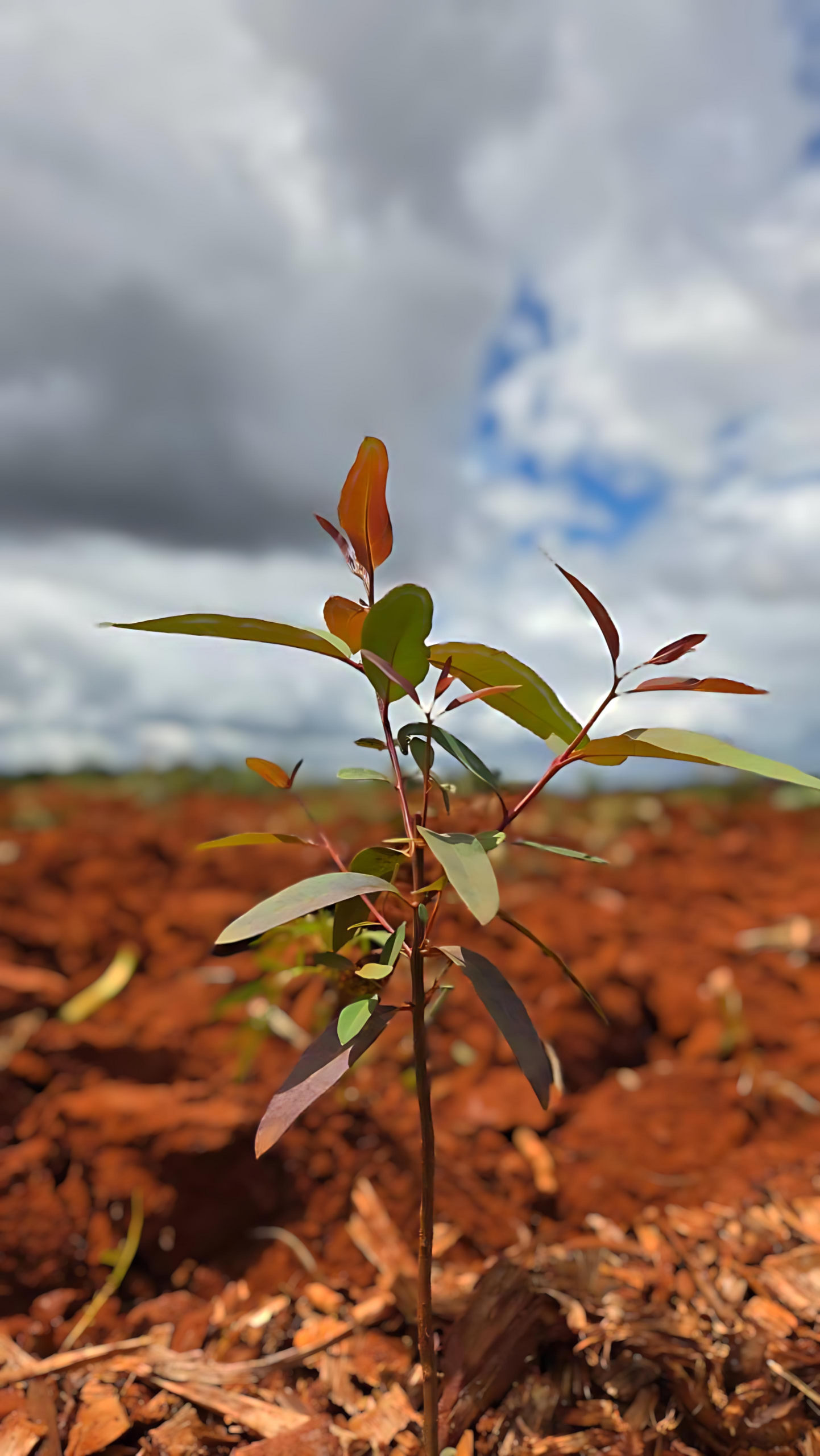
Climate-resilient forestry is about more than protecting timber yields. It is about protecting people. Commercial forestry sustains thousands of jobs, supports rural economies and contributes significantly to national development. When plantations are damaged by drought, fire or disease, the consequences extend far beyond the trees. They ripple through supply chains, contractors, municipalities and households. Climate resilience is therefore as much a social and economic priority as it is an environmental one.
Using climate science in planning helps reduce this vulnerability. It provides earlier warning of emerging risks, guides targeted adaptation investments and prevents costly mistakes, such as establishing climate-sensitive species in areas that are becoming increasingly unsuitable. In doing so, climate-informed forestry strengthens both business resilience and community stability.
Women in climate science: shaping forestry’s future
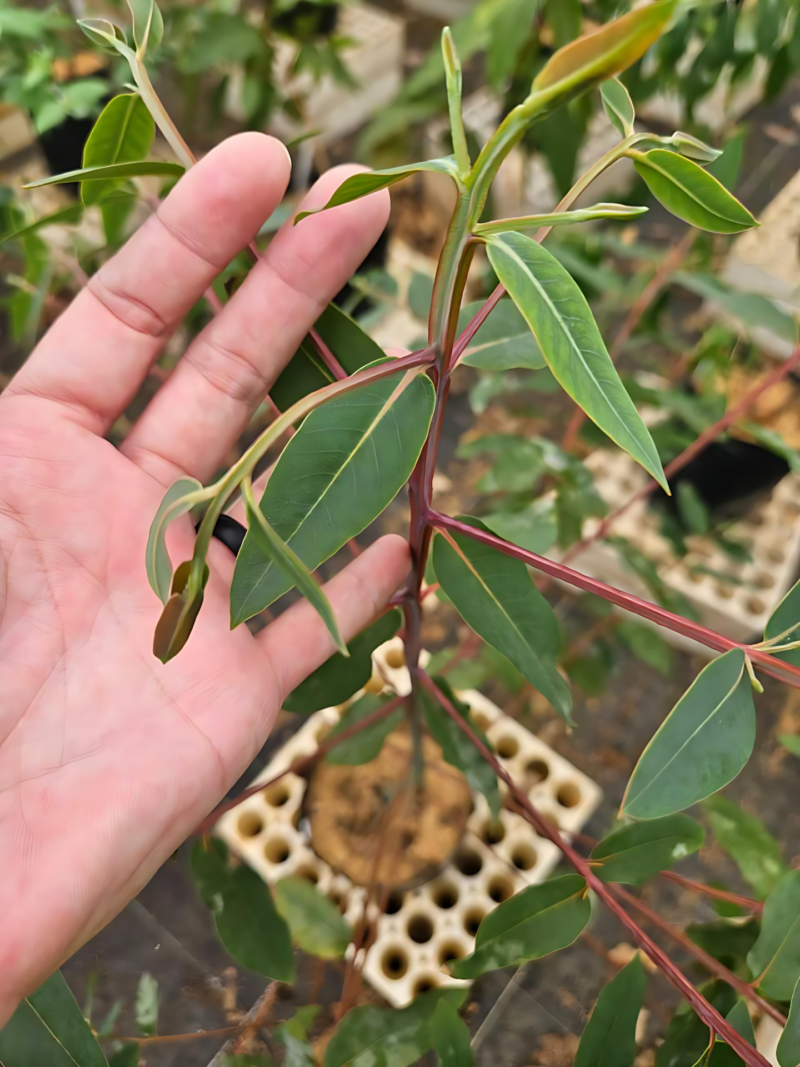
The shift toward climate-resilient forestry is being driven by people, and many of those people are women. Having worked closely with South Africa’s forestry sector, I have seen firsthand how women are contributing not only to strong science, but to leadership and vision. Across South Africa, women are advancing climate modelling, remote sensing, ecological monitoring and decision-support systems. They are linking climate science with economics, policy and community realities, and helping bridge the gap between research and industry with a practical, solution-focused approach.
Celebrating women in science is about more than recognition. It is about transformation. It sends a message to young girls that careers in environmental science, climate research and forestry are not only possible, but vital. It ensures that the decisions shaping our landscapes are informed by diverse perspectives and experiences. Climate-resilient landscapes are not built overnight. They emerge through informed choices, sustained collaboration and a shared commitment to science-based decision-making. Women are already central to that process, and their role will only become more important as the forestry sector navigates an uncertain climate future.