Sector Innovation Fund Initiative: A year in review
Climate change and risk to the Forestry Sector
Principal Investigators: Prof Mary Scholes (Wits), Dr Yolandi Ernst (Wits), Dr Jacob Crous (Sappi), Dr Louis Titshall (Sappi), Prof Dave Drew (SU), Prof Zander Myburg (SU), Prof Sanushka Naidoo (UP)
This programme consists of four projects that aims to address challenges of climate change in the Sector through development of improved climate data and its application in genomics and physiology.
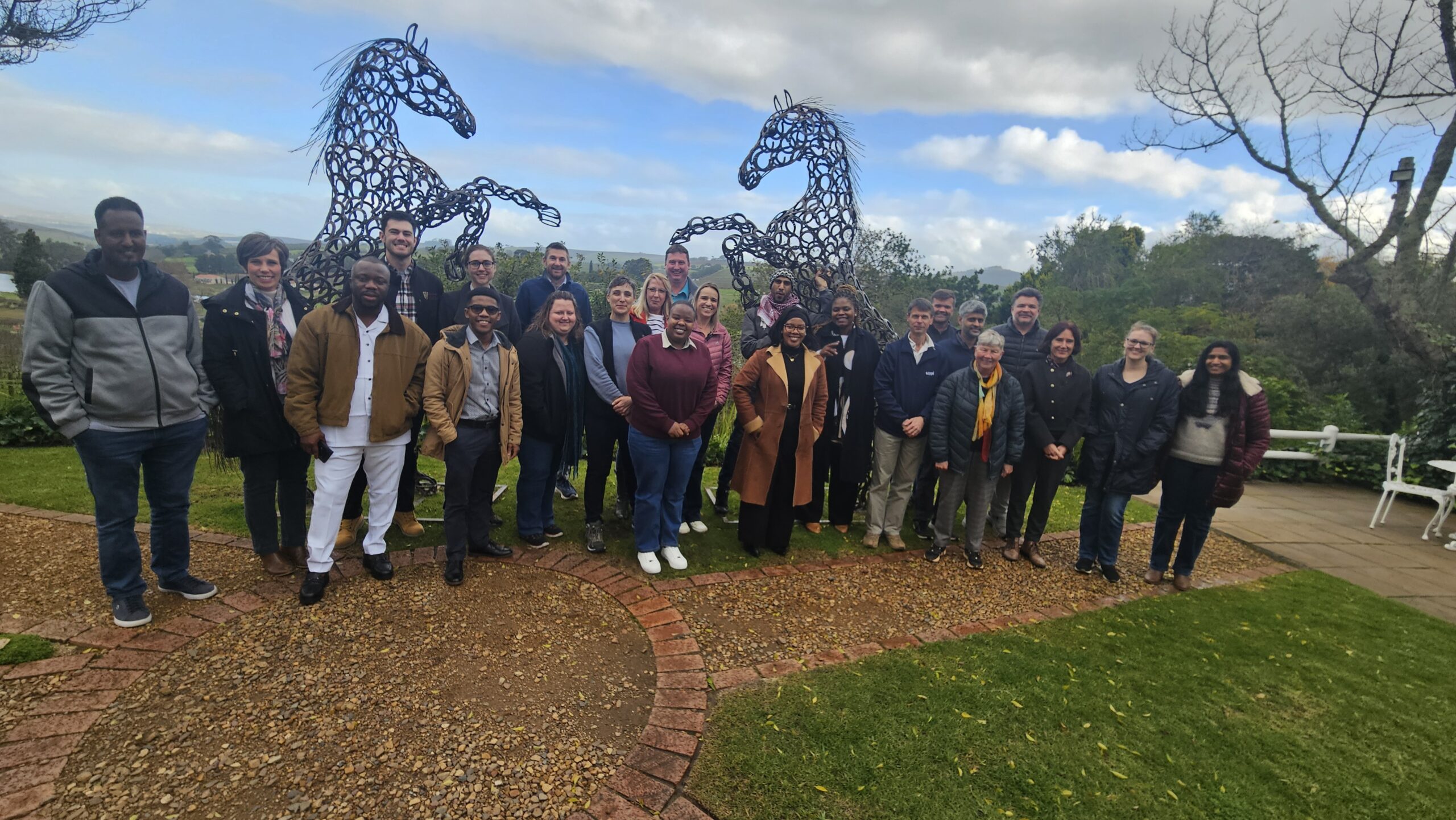
The climate modelling project has done exceptional work in incorporating global models with local datasets. This is to refine downscaled climate modelling to produce improved resolution at different spatial (8km, 4km and 1km) and temporal (daily, monthly, annual) resolutions. The project is also working on sector-related bioclimatic variables such as the work with a new student who will work on the intersection of climate and fire management in Forestry. There has also been requests for data which the project (through the UP-information Hub) has been facilitating with industry members. This is key to ensure that the project works towards making high-quality research applicable and available to the industry.

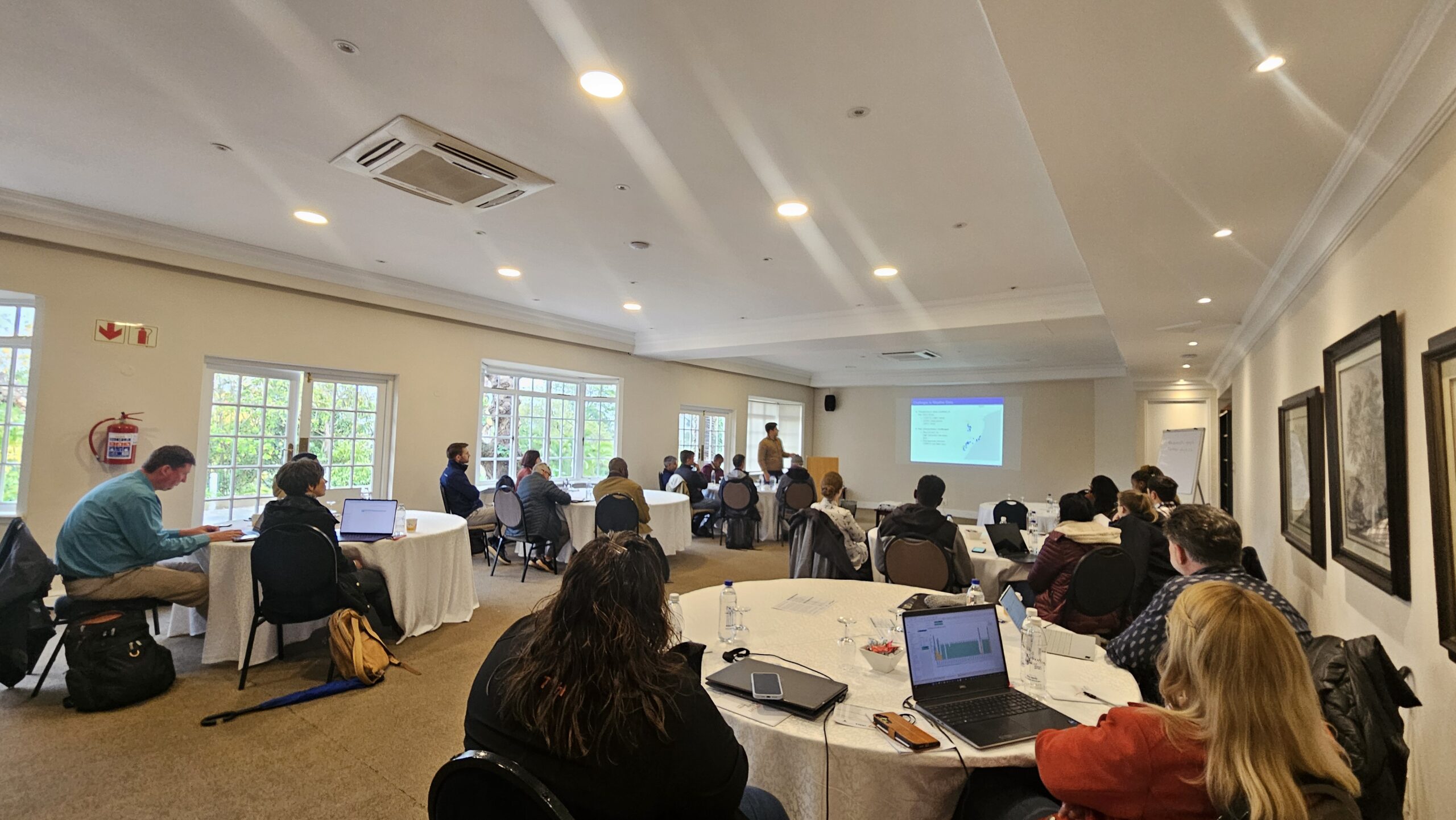
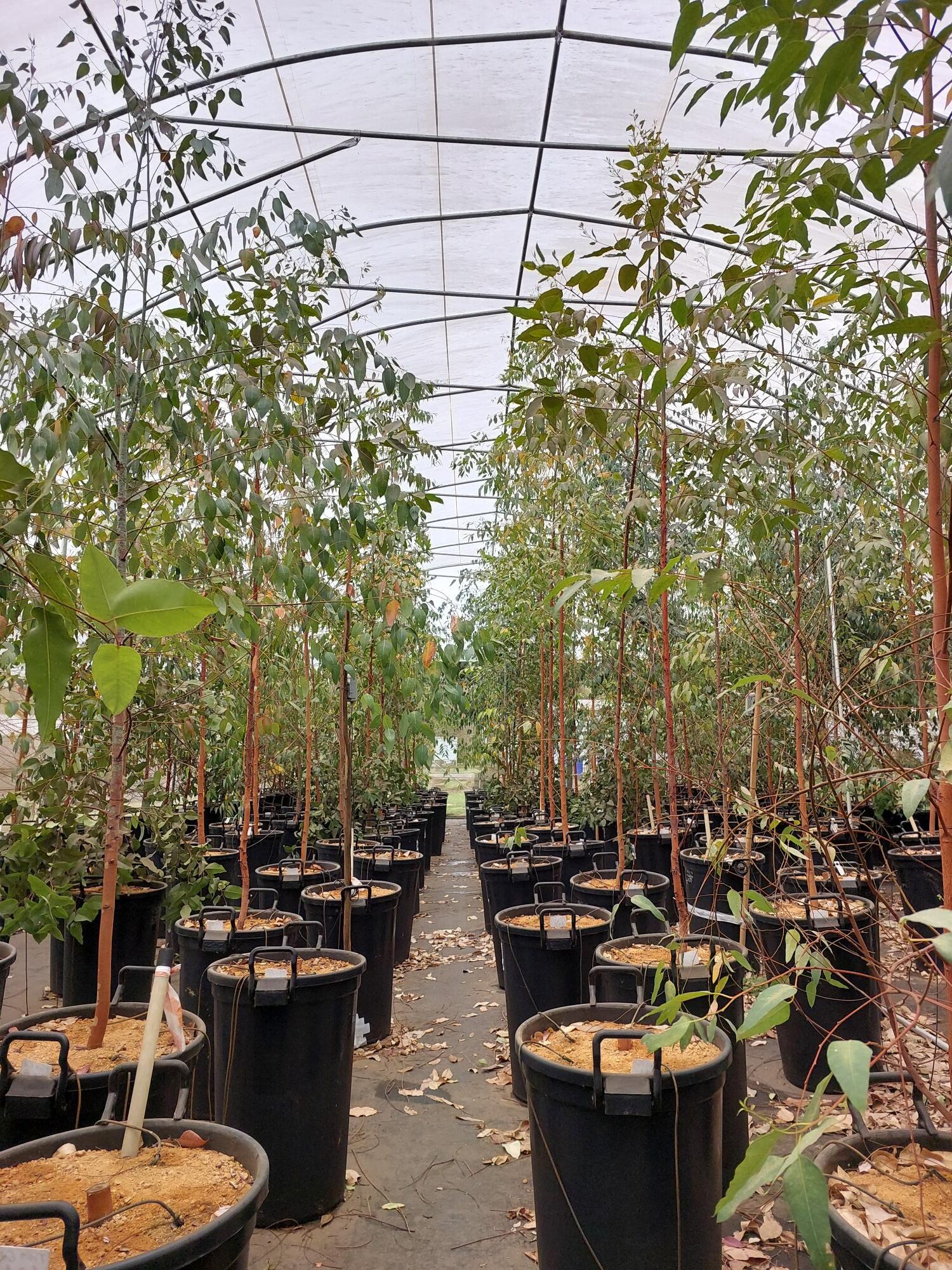
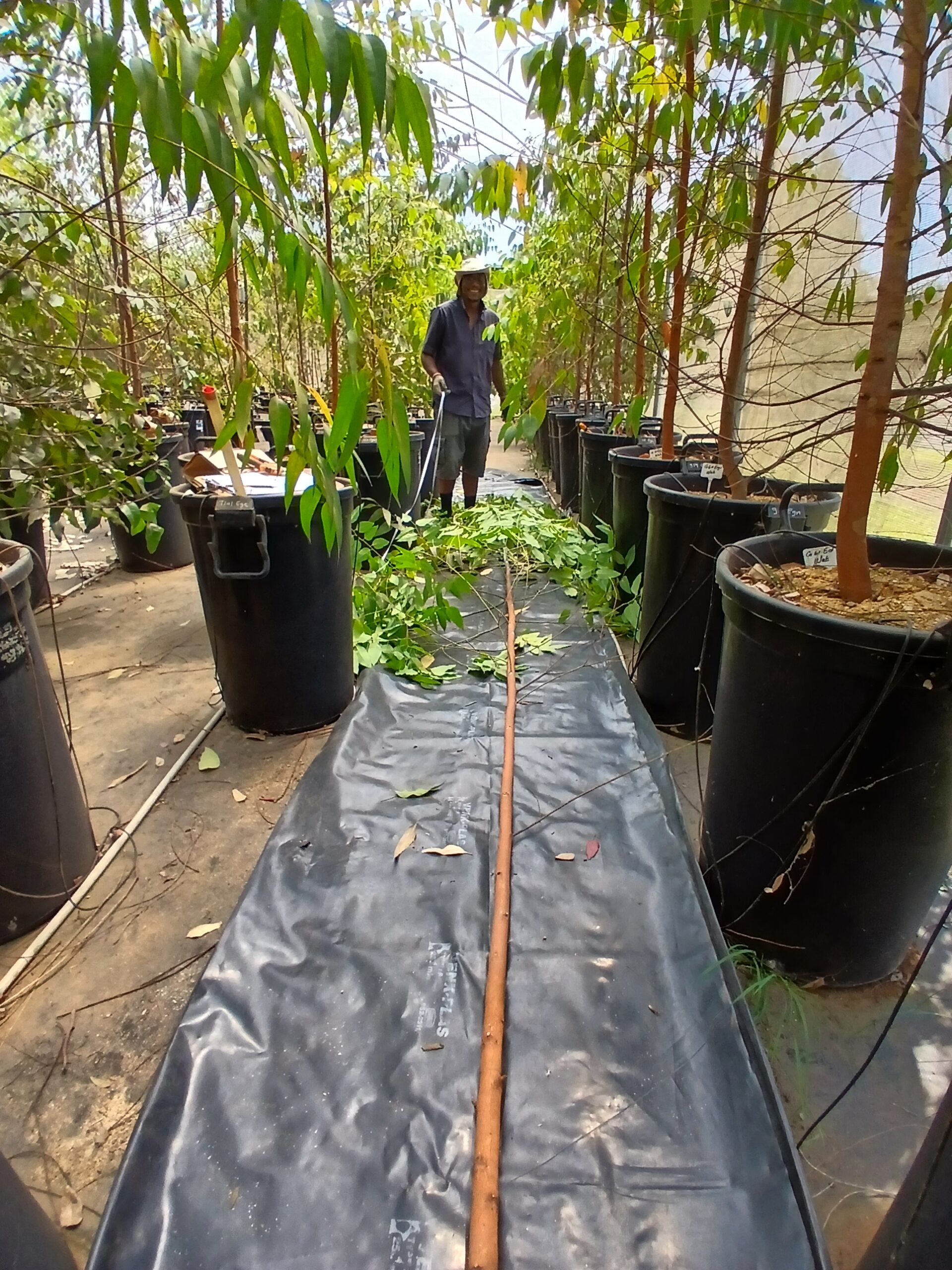
The eucalypt water-reduction pot trial at Sappi’s Shaw Research Centre aims to identify key phenotypic parameters that describe water deficit response in a range of eucalypt species. If robust response indicators can be identified, these can potentially serve as screening tools in tree breeding programs. A key highlight in this last year was the commencement of a water-reduction cycle in one-year-old trees, with regular measures of growth, physiology and morphology undertaken. The water reduction phase of the experiment was recently concluded and a subset of trees harvested for biomass determination. These data are currently in process of being collated and analysed. Much of this data will be used as the basis of an MSc project in collaboration with Wits University. Additional collaboration with the University of Pretoria to investigate leaf chemistry in response to water deficit was also initiated at the end of the water reduction phase. The remaining trees in the trial have since been returned to a well-watered phase to monitor post-stress recovery responses.
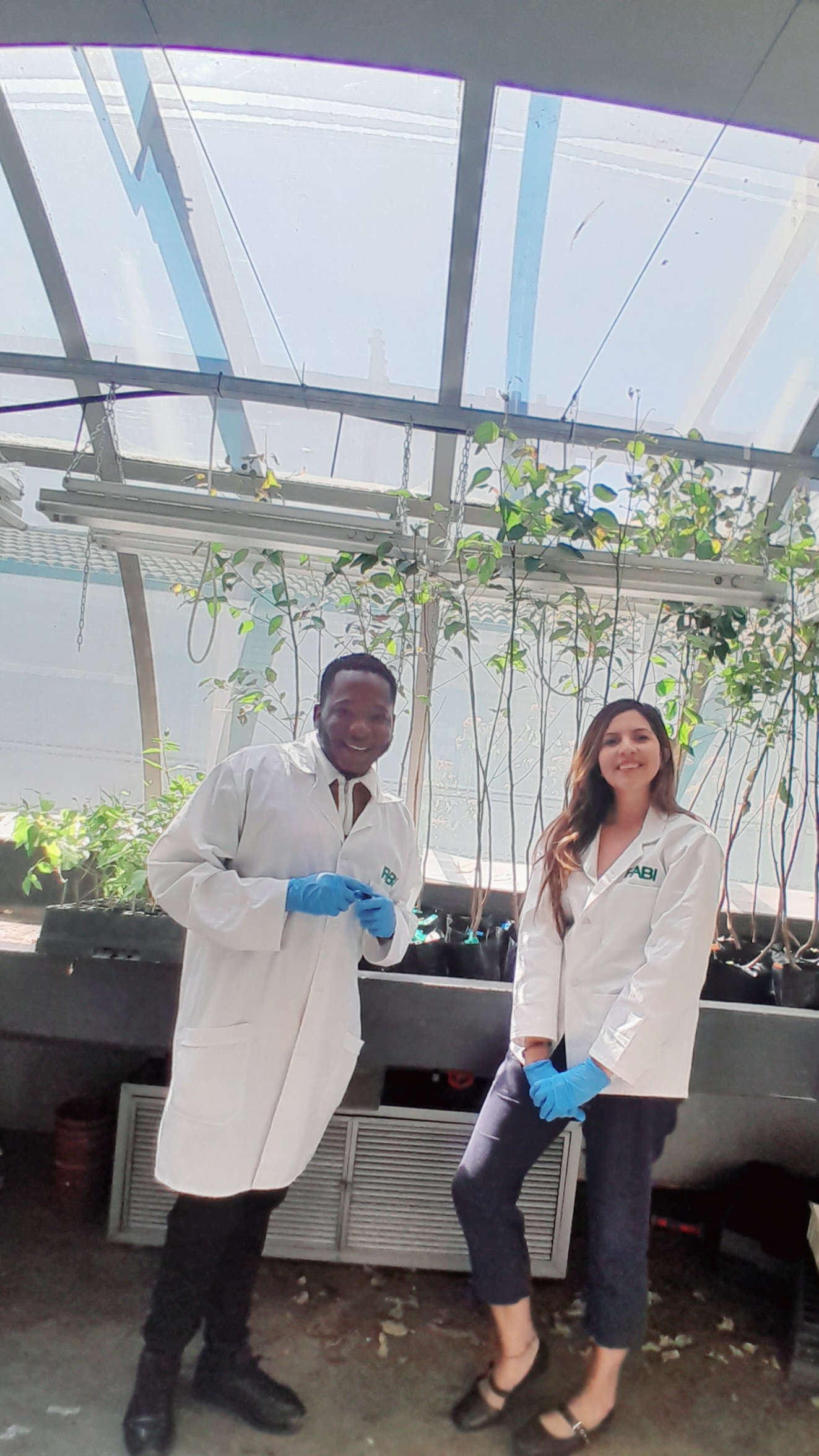
The trial site has also received several visitors, including academics, students and Sappi stakeholders, where the value of this research was showcased. A notable highlight for the project team was the September trial site visit by the office of the Department of Forestry, Fisheries, and the Environment Ministry as part of larger tour of Sappi operations. This provided an important engagement opportunity to explain the importance of this fundamental research and, more broadly, how pivotal the DSTI SIF has been for Forestry Research.
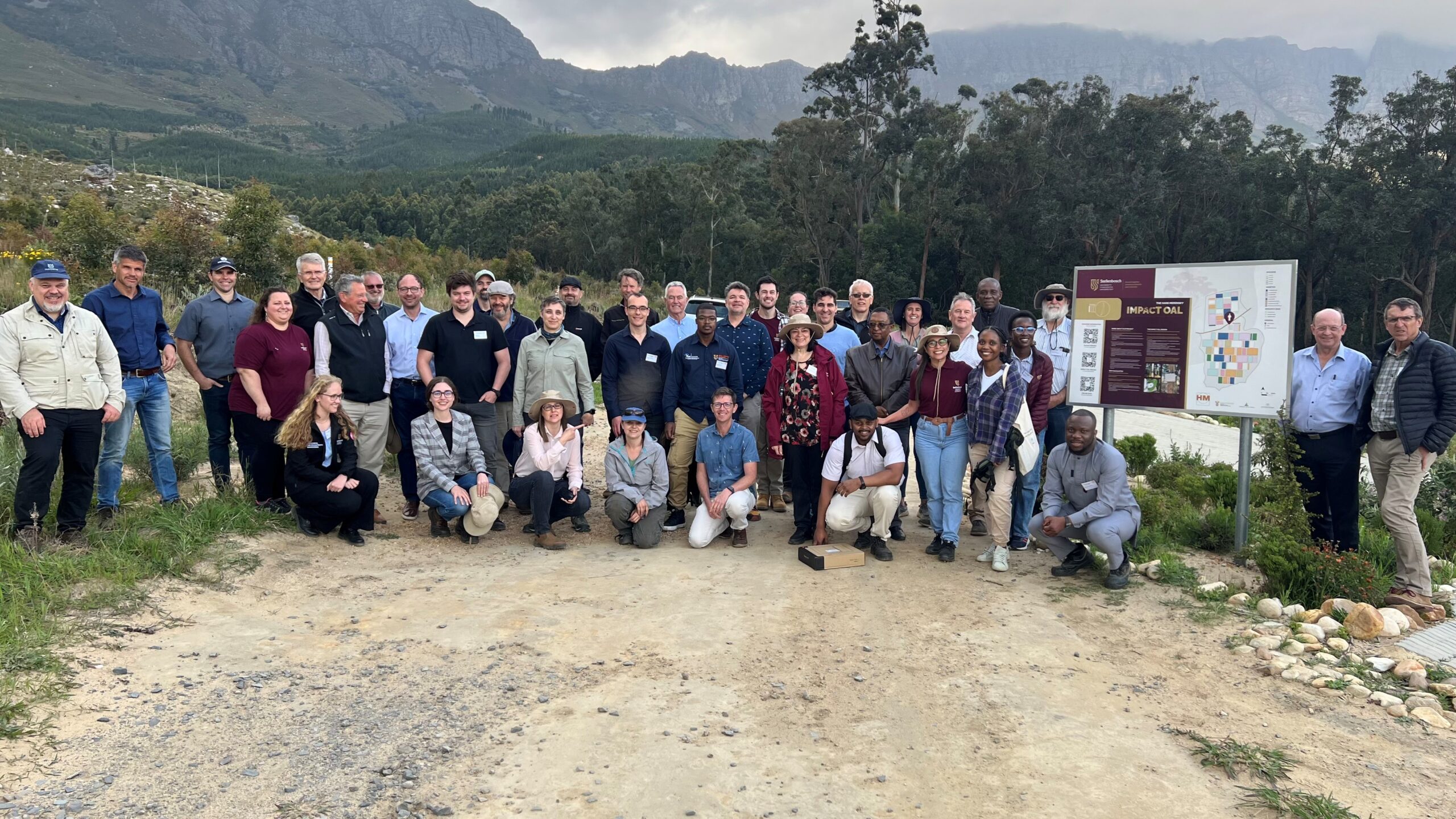
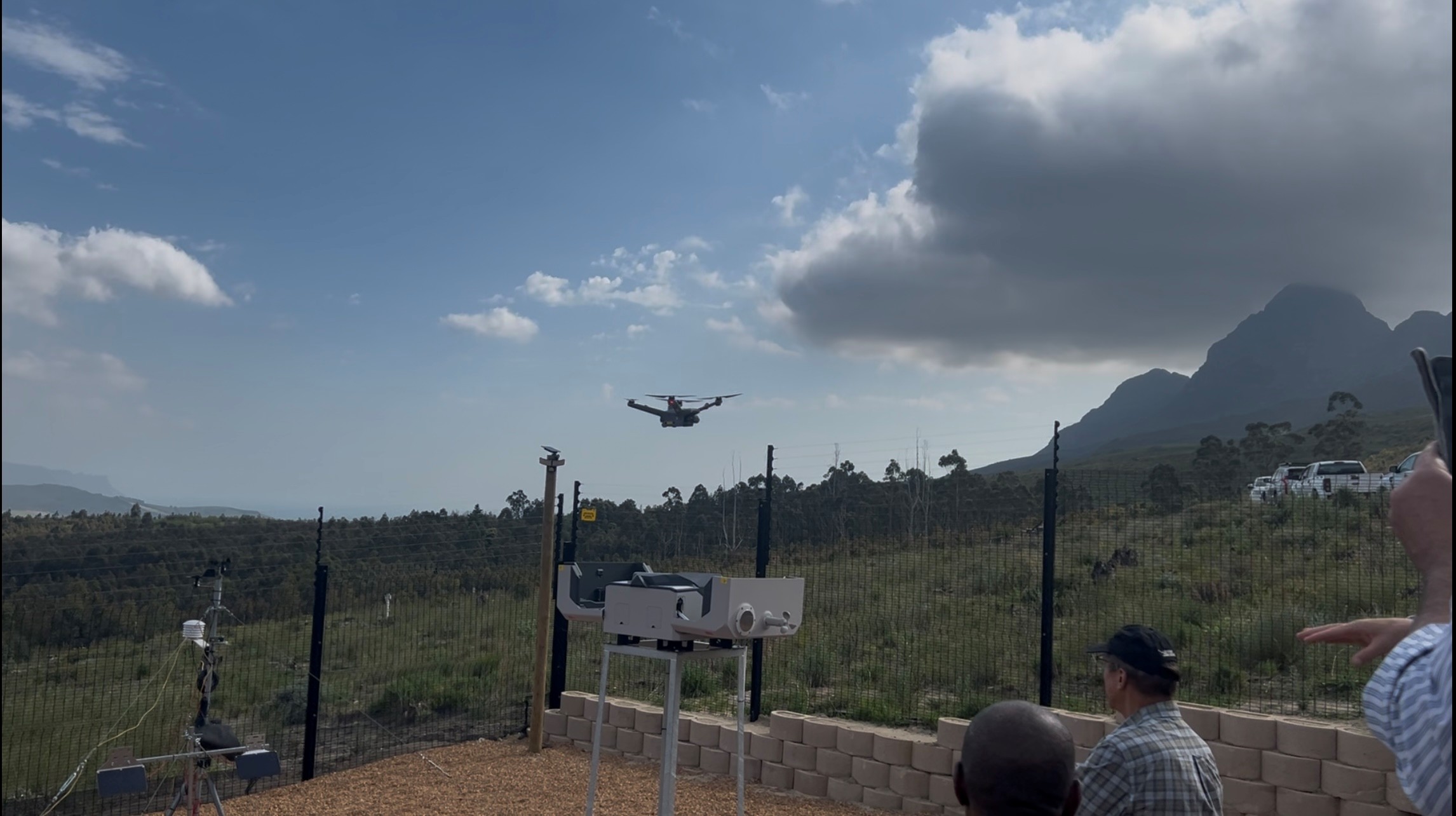
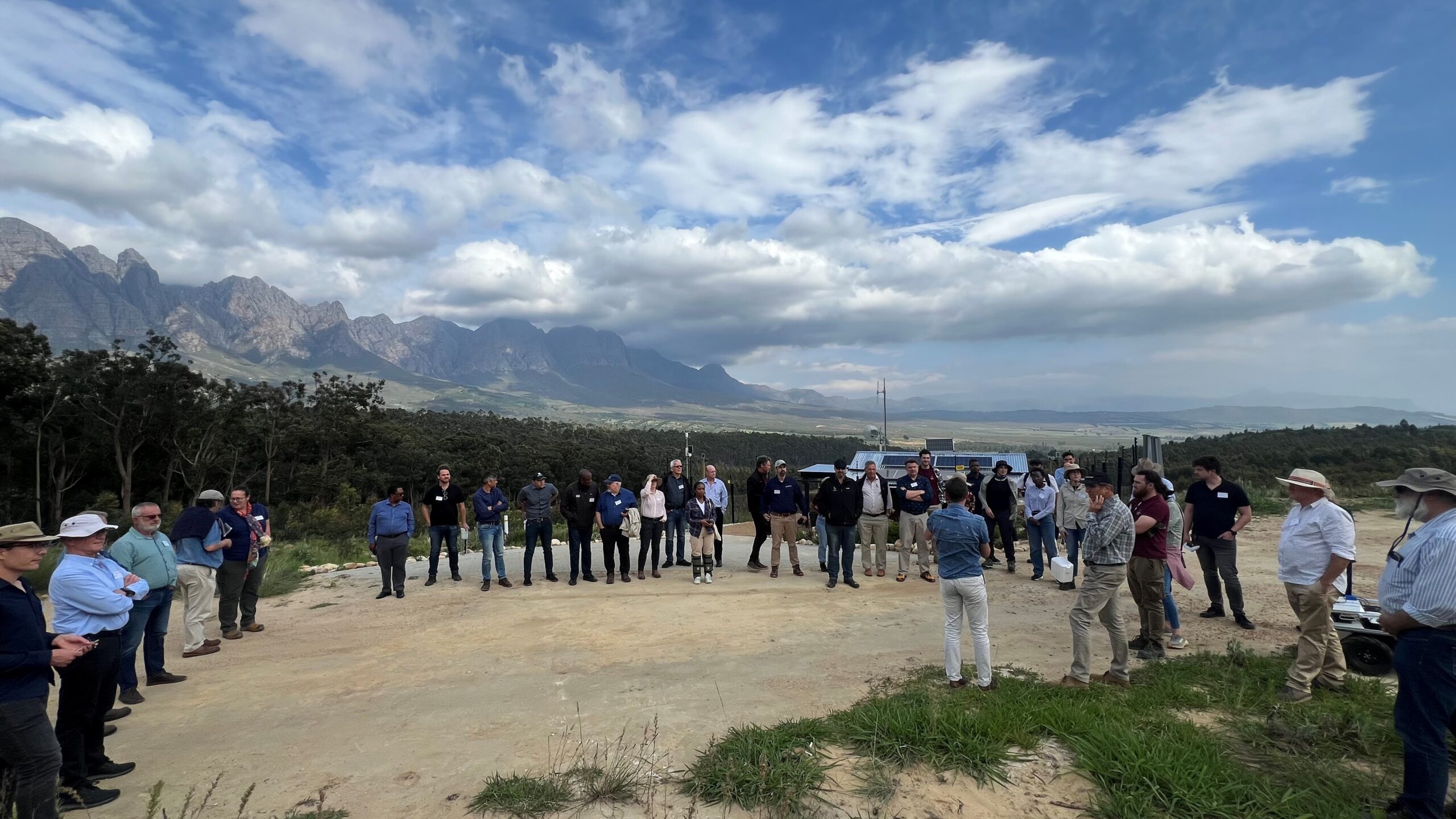
The Intensive Monitoring of Planted And Competing Trees Open Air Laboratory (IMPACT OAL) is a state-of-the-art research plantation located in the Helderberg Mountains, Somerset-West and led by Stellenbosch University. The idea behind this plantation, is to intensively monitor four different Eucalyptus species to understand how this genus responds to the environment, and abiotic and biotic stress. While research on the IMPACT OAL is primarily funded by the Hans Merensky Legacy Foundation, the SIF provides additional support. Prof David Drew, who leads the initiative, has presented some of the work being conducted at the IMPACT OAL site at the FSA AGM in May 2025. This project is a first of its kind in South Africa, focussing on changing the way we understand Eucalyptus, silvicultural practices and even the soil in which they are planted. This year the DSTI DDG, Dr Mmboneni Muofhe, was hosted at the IMPACT OAL for a SIF site visit. This is the first time that such senior officials attended a site visit and the high levels of interest shown by the officials was encouraging. The hope is that this type of engagement will lead to greater support for the SIF platform within the DSTI. This project serves as a critical capacity building avenue, linking high tech skills and capabilities with industry focused training and development. The project currently hosts an impressive 11 students, (MSc and PhD), two interns and three post-doctoral fellows, making a significant impact in capacity development. There have also been five papers published from this work in the last 12 months, as well as numerous presentations and keynote addresses. This “infrastructure” will significantly increase the industry’s knowledge base to better understand tree development in response to environmental factors, enabling improved breeding programmes and better planning systems for yield modelling and wood quality analysis. This is an important link for this programme between the climate, growth and physiology, and the genomics work.
The Eucalyptus grandis landscape genomics project remains a central pillar of SIF’s climate change risk mitigation programme. In 2025, the team published a major milestone: an improved, phased reference genome for Eucalyptus grandis (https://doi.org/10.1093/g3journal/jkaf112), providing the most comprehensive and complete genomic reference for the species to date. This high-quality reference genome, together with newly generated phased assemblies for 24 pangenome individuals and genome-wide data from 2,200 wild trees (sequenced through a significant public investment by the US-Department of Energy) constitute the most extensive E. grandis genomic dataset available globally.

These individuals, established in replicated common-garden trials in South Africa, capture nearly the full natural diversity of the species and create a unique opportunity to investigate the genetic basis of growth, development, and climate-adaptive/resilience traits. Next, the project will work with programme partners to identify environmental drivers of genomic variation in the natural range using Genotype Environment Association (GEA) analyses. This landscape genomics approach will provide insights into adaptive genetic diversity and inform future climate-resilience strategies for E. grandis breeding. Alongside scientific outputs, the project is building critical human capacity in genomics, computational biology, molecular breeding, and analysis of the genetic basis of environmental adaptation to ultimately support the long-term sustainability of the South African Forestry Sector.
LiDAR scanning and digitisation of tree growth and form reveals natural variation in Eucalyptus grandis trees hosted in common gardens in South Africa. The terrestrial LiDAR scanning (TLS) performed by the research group of Prof David Drew at Stellenbosch University (PhD project, Mr Oluwaseun Gakenou) is providing precision phenotypes for the 2000 trees for which genome sequences were produced by the US-DOE Joint Genome Institute. The research team at Stellenbosch University will associate these phenotypes with genome sequence variation (DNA markers). The growth and canopy structure phenotypes of the wild families and provenances from Australia will inform genotype-environment association studies performed by a postdoctoral fellow at the University of Pretoria supervised by Prof Sanushka Naidoo and Prof Zander Myburg. (Image: O. Gakenou).
Laboratory Capacity and Water-use
Principal investigators: Dr Ilaria Germishuizen (ICFR) Dr Danvir Ramesar (ICFR), Dr Nkosinathi Kaptein (UFS/UMP)
This programme consists of two projects being led by the ICFR, the University of Mpumalanga (UMP), and the University of the Free State (UFS).
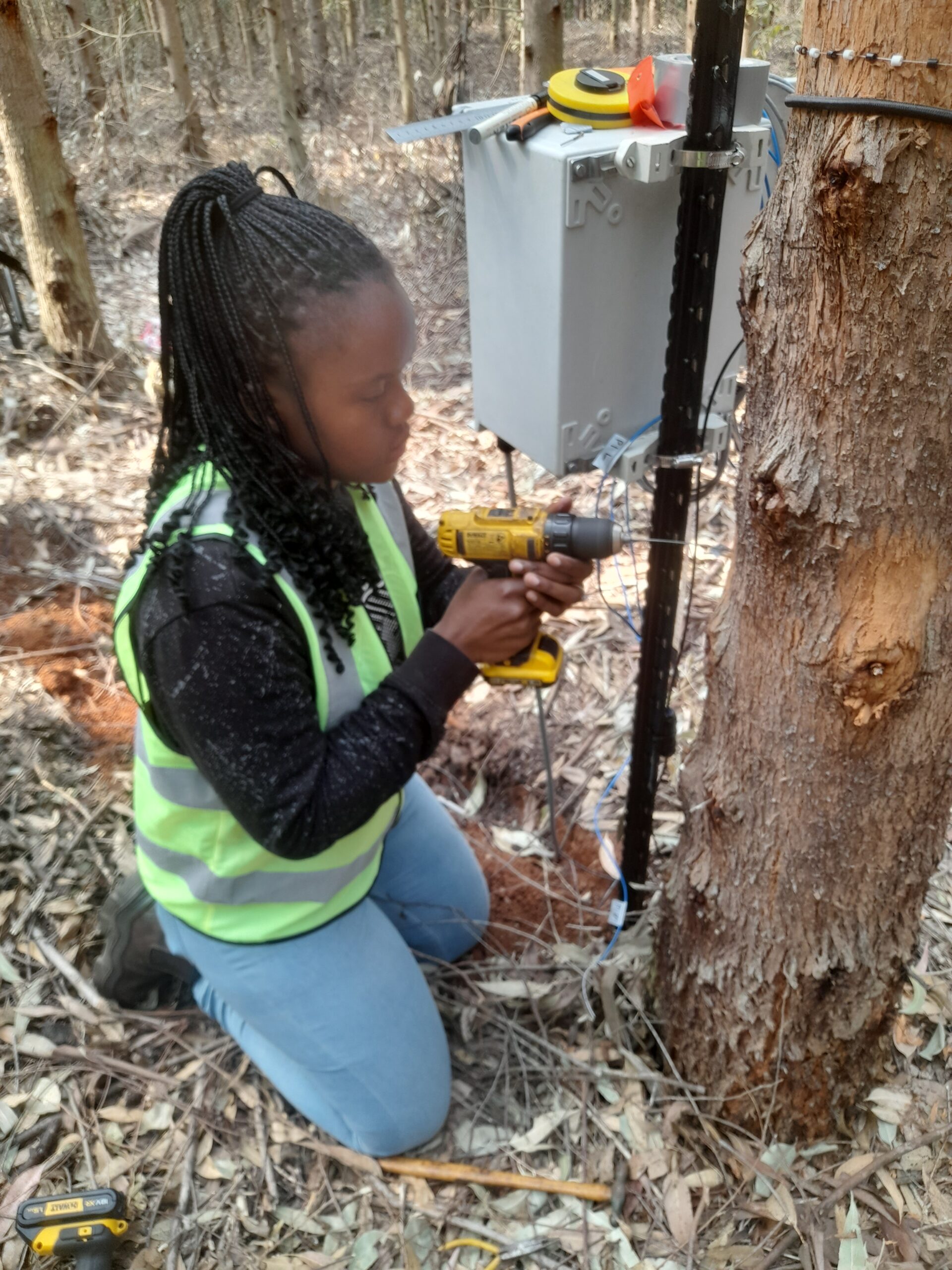
At the beginning of 2025, the Principal Investigator (PI) in the UMP project moved to UFS, which provided us with the opportunity to expand the collaborative network within this programme. The programme now ensures that we build capacity at both these institutions with high-level
commitment from both universities,
ensuring a smooth transition and a new collaborative partner (UFS).
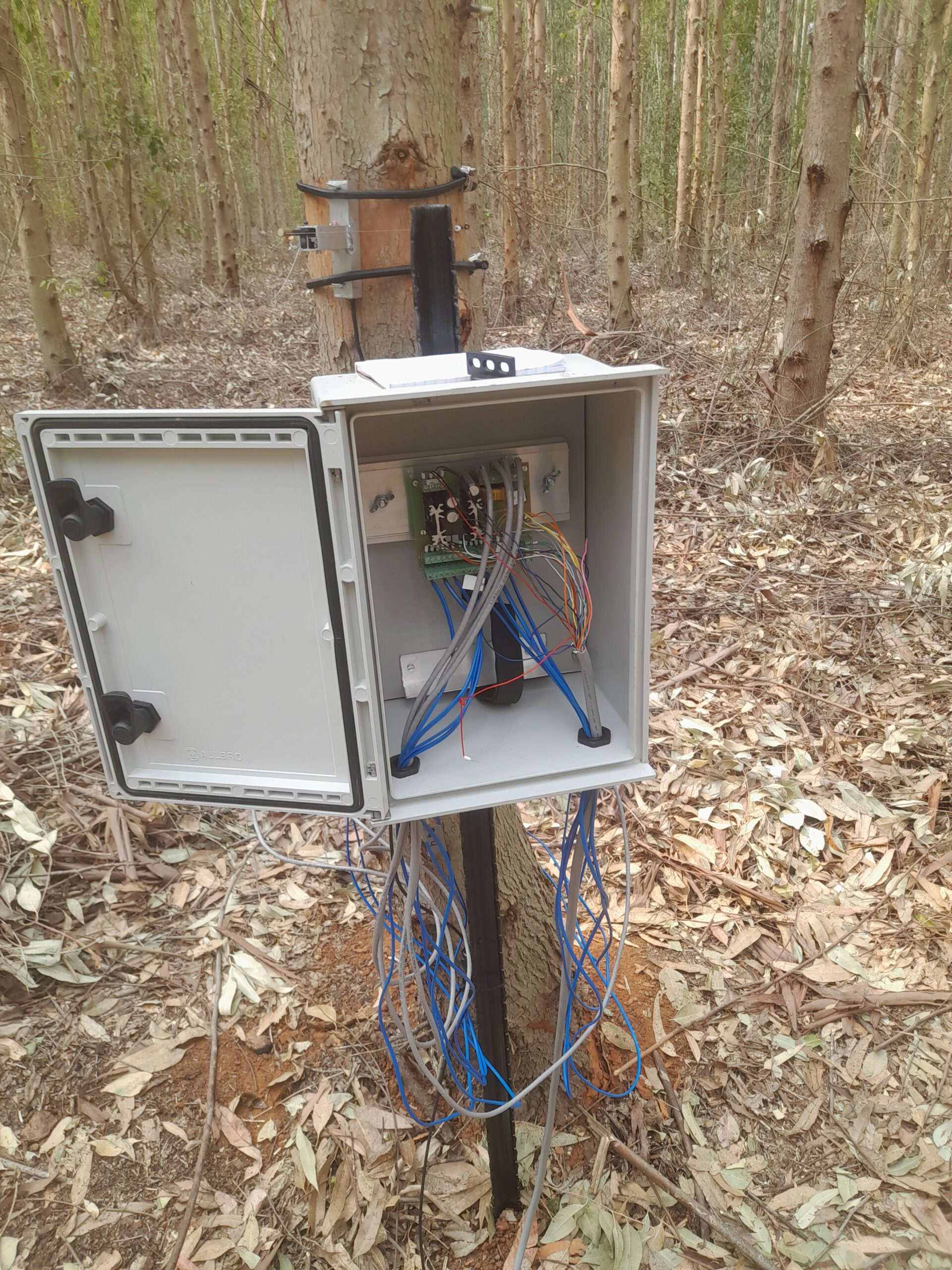
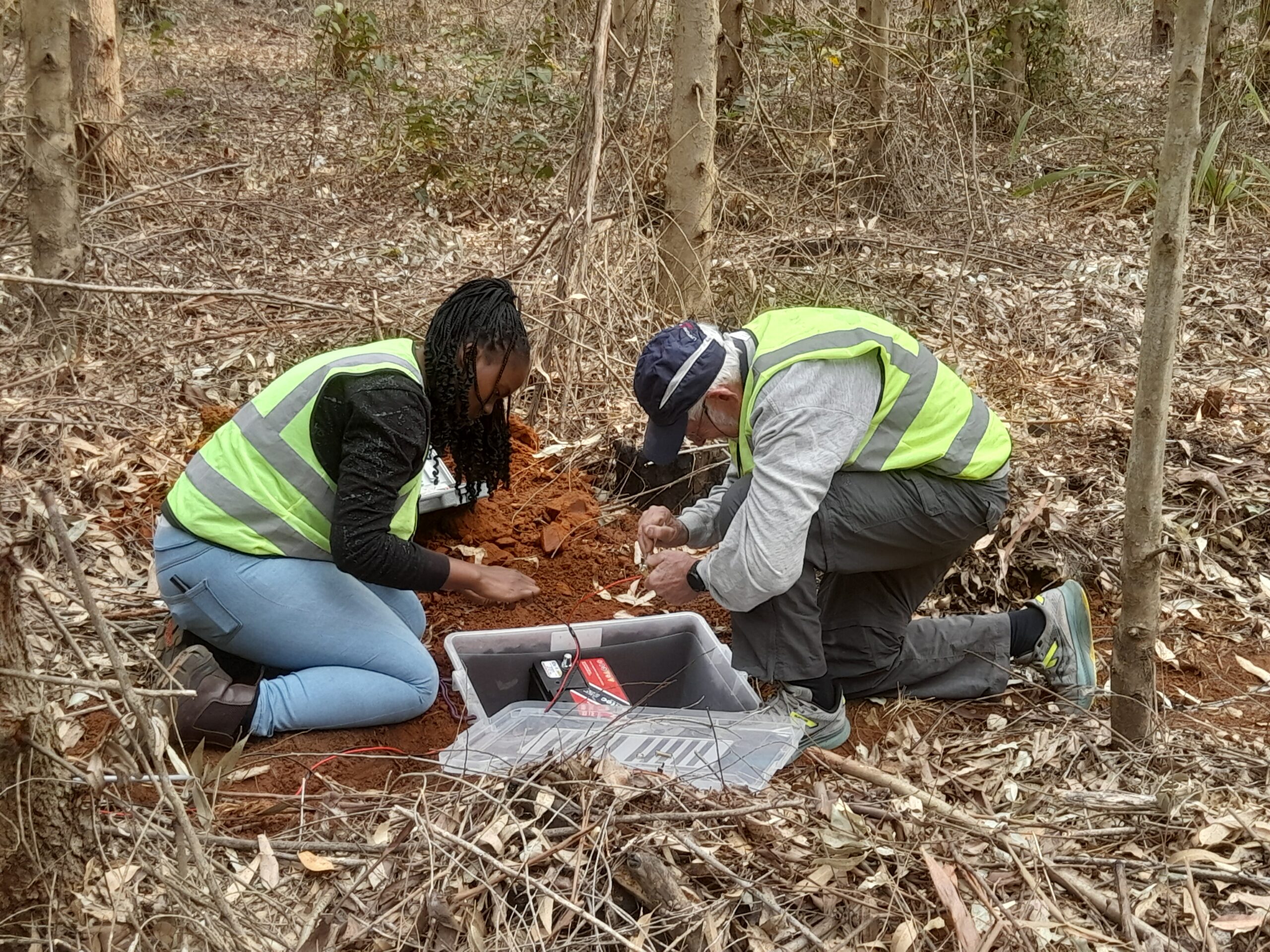
This programme is working to advance the current knowledge on water use and water-use efficiency, as well as to provide the required analytical support and capacity to the rest of the research portfolio. A paper has been published this year that focussed on the Near Infrared Spectroscopy (NIRS) application for soil organic carbon quantification
showing how the Analytical Laboratory continues to provide critical analytical capacity to various research projects and industry members. Furthermore, there are two papers that have been submitted for publication to two respective journals within this programme this year, focusing on the water-use work being done.
Site Resource and Climate Resilience: GHG Emissions and Carbon Accounting
Principal investigators: Mr Johannes van der Waath (Sappi), Prof Ben du Toit (SU), Dr Ilaria Germishuizen (ICFR), Dr Tanay Bose, Dr Almuth Hammerbacher, Prof Bruce Talbot (SU)
This programme comprises seven projects aimed at enabling the development of a robust Tier 2 (regional) reporting platform to support standardised carbon accounting and greenhouse gas (GHG) emissions reporting for the South African Forestry Sector. The programme also addresses aspects of soil nutrition and remote sensing methodologies.
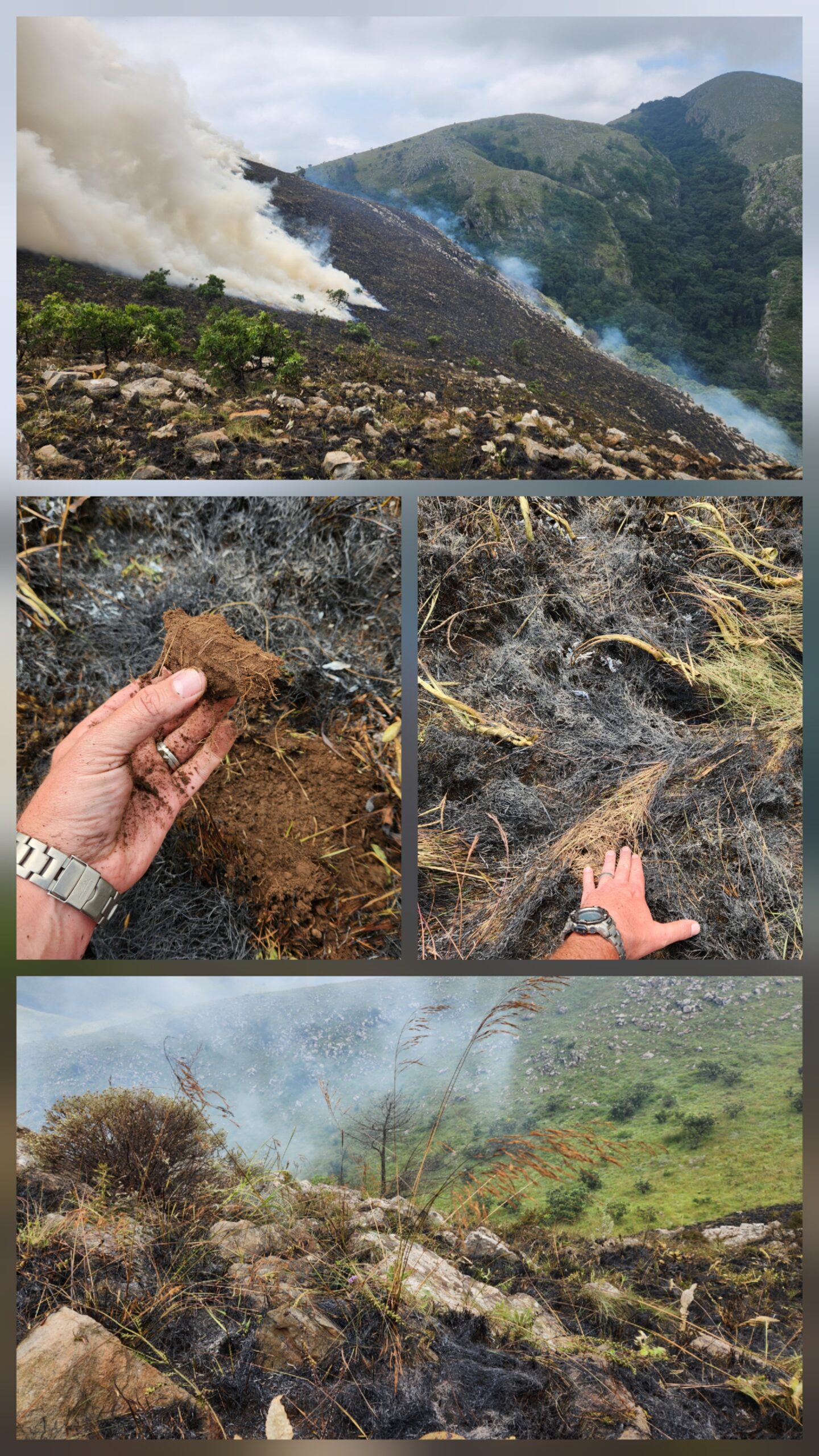
The work assessing the impact of commercial fire management activities on carbon stocks in open area grasslands has progressed well this year assessing four different burning scenarios in the analyses. Data analysis is being conducted to quantify the major greenhouse gases emitted under each scenario and to compare the findings against IPCC reporting guidelines. The project has now entered its final phase, which involves monitoring vegetation regrowth responses. This component is essential to understanding how the four burning scenarios influence vegetation recovery, carbon dynamics, and overall ecosystem resilience. This research is providing a baseline for the region to further develop an integrated management strategy to successfully protect commercial crops while conserving carbon and unique vegetation types as found in the Makhonjwa Mountains.
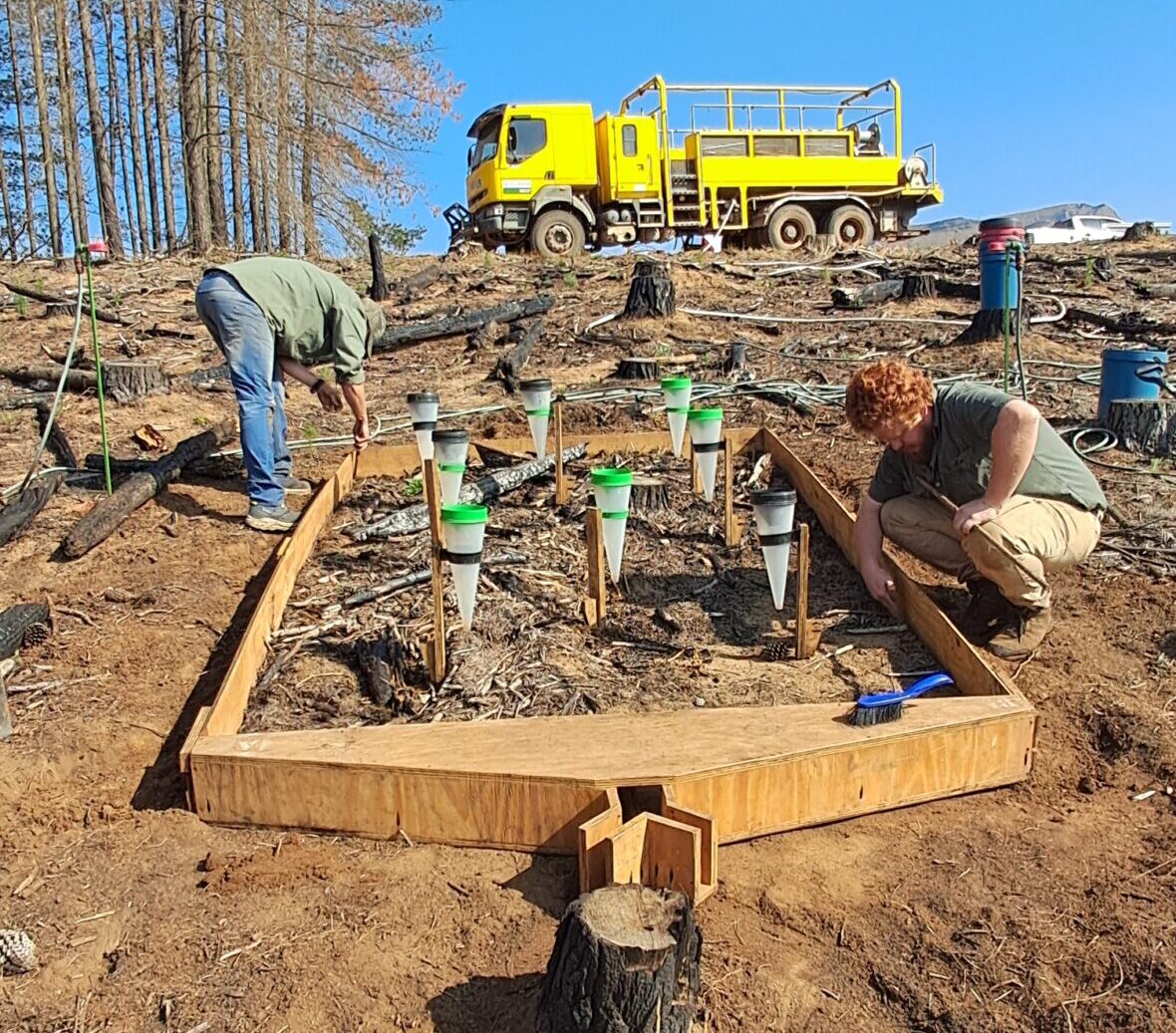
The soil erosion project has added an additional site (Eastern Cape) to enable more thorough analysis of soil vulnerability to erosion in various regions, in addition to the KZN and Mpumalanga sites. All the fieldwork for this third site in the Eastern Cape has been completed, and the project team is now working with the ICFR Analytical Laboratory to process all the samples.
In the project evaluating changes in carbon stocks, of soil and dead organic matter, high variability has been observed in forest floor carbon loads. Consequently, three new students have started working on understanding the variability associated with different management practices.

The SIF has been a key enabler in establishing the long-term soil monitoring network. Globally these types of projects are critical in forestry, therefore, establishing such a monitoring network is imperative for South African forestry as well. The network started with only two participating companies, and while it was initially thought that it would take about 10-15 years to establish a well-represented network, the SIF enabled its establishment at more than double the original rate and expanded participation to include four times as many companies. The network is now monitoring 115 sites spread across the forestry landscape, representing various soil types, management practices, and including Eucalyptus, Pines, and Wattle sites.
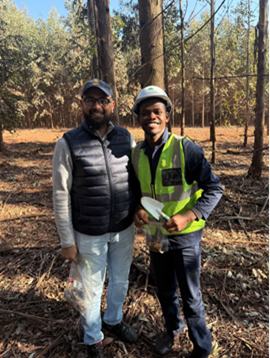
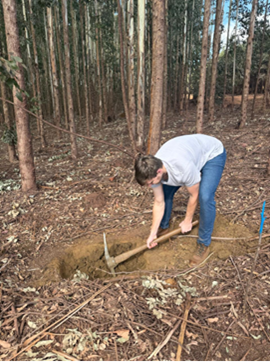
A new project has been added to the programme which will investigate the impact of forest management practices on soil health and fungal biodiversity. This project, the “Eucalyptus Soil Health Initiative Programme (ESHIP)” will also contribute to building resilience in forest soil management and will be linked to the long-term soil monitoring network. It will provide additional benefits to the already established project.
The work on remote and proximal methods for post-harvest residue quantification has progressed well this year. Harvest residue management is receiving renewed interest in relation to carbon budgets, the reduction of fuel loads, its value as a bioenergy feedstock, and its potential role in regulating soil moisture and nutrient availability in a more challenging climate. A better understanding of the volumes, composition, and spatial distribution of harvest residues would assist in (i) providing a basis for accounting purposes (ii) aiding in correctly determining the most appropriate form of management or treatment, and (iii) enabling more precise planning and execution of operations.
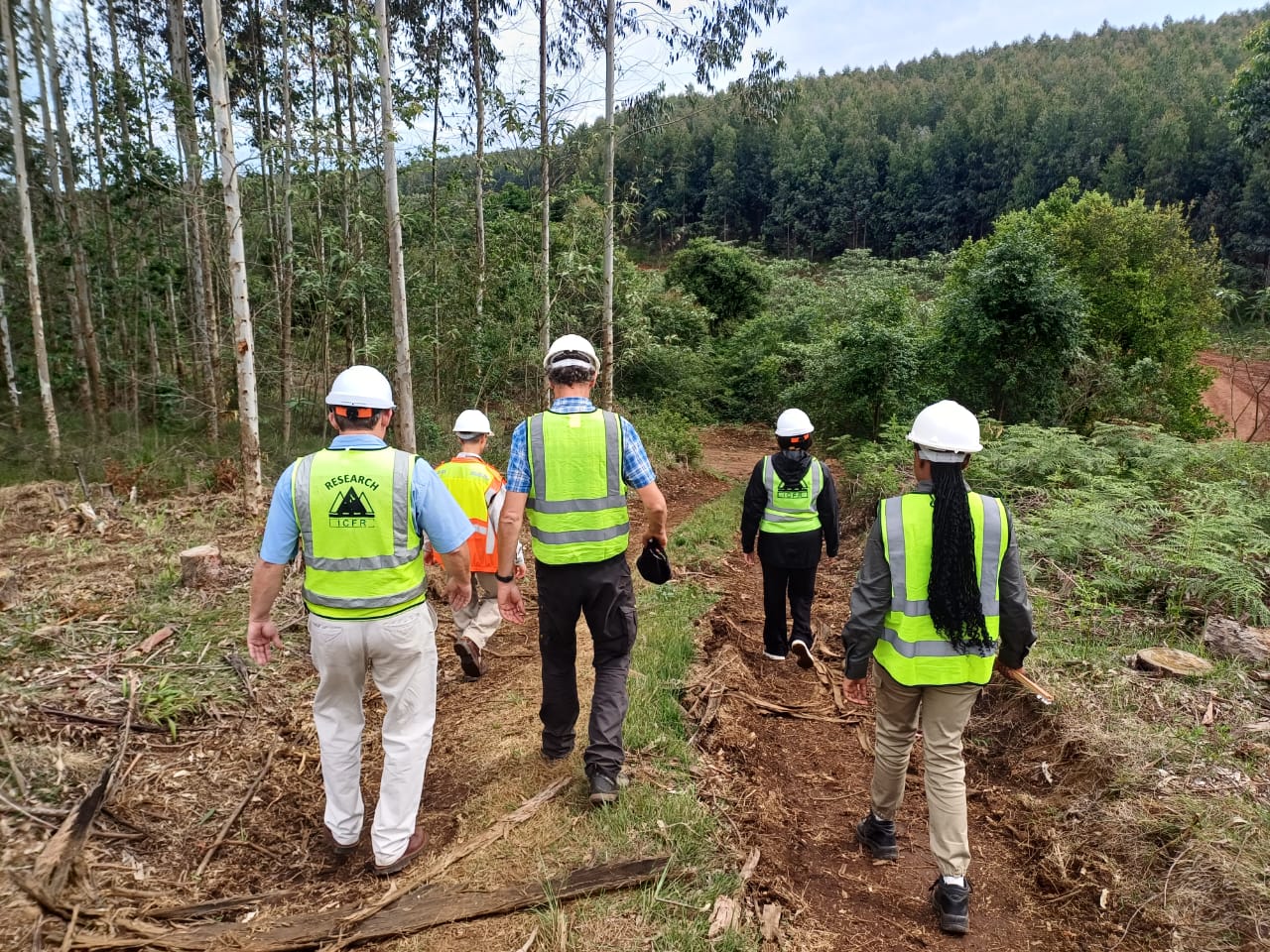
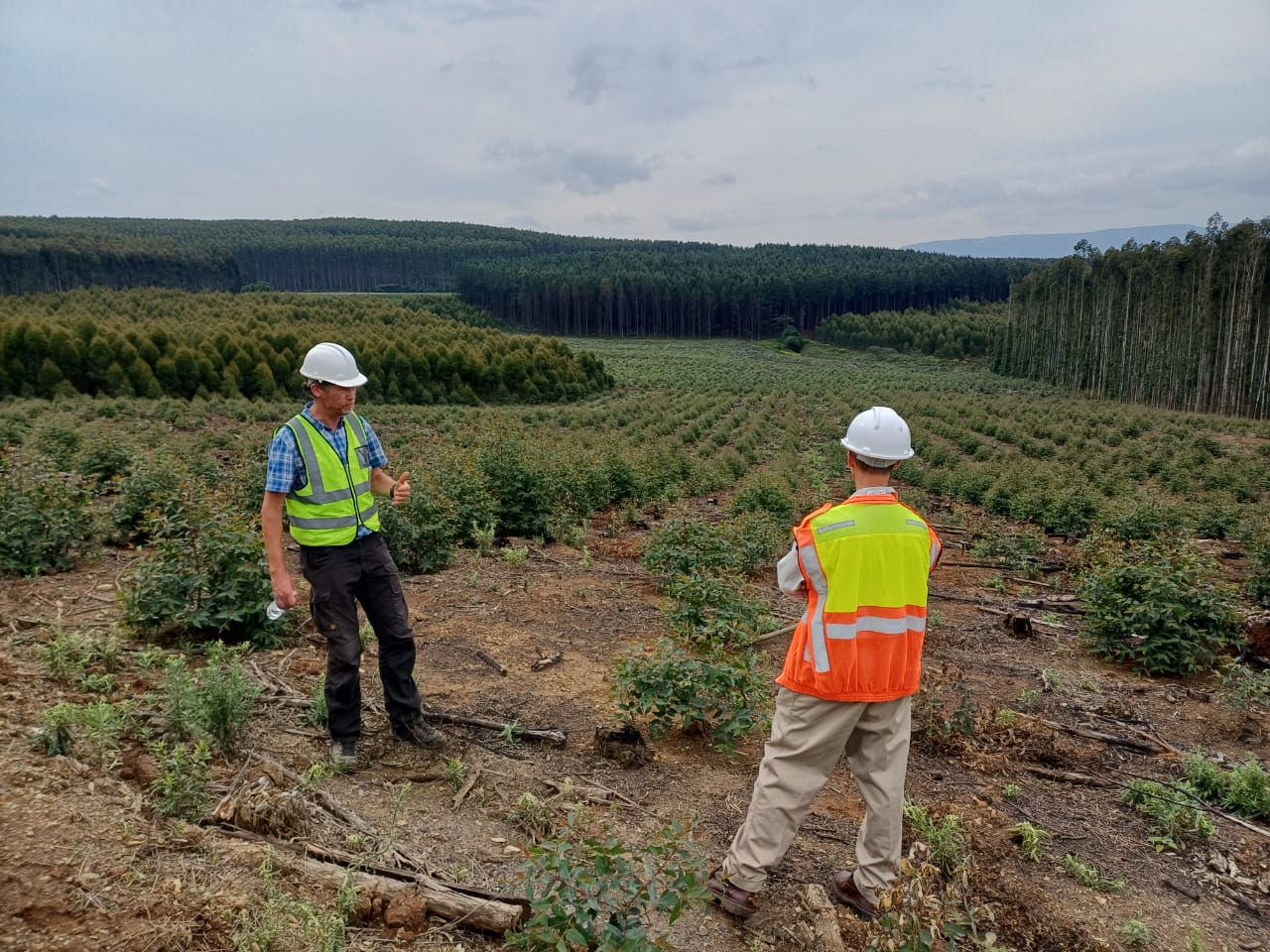
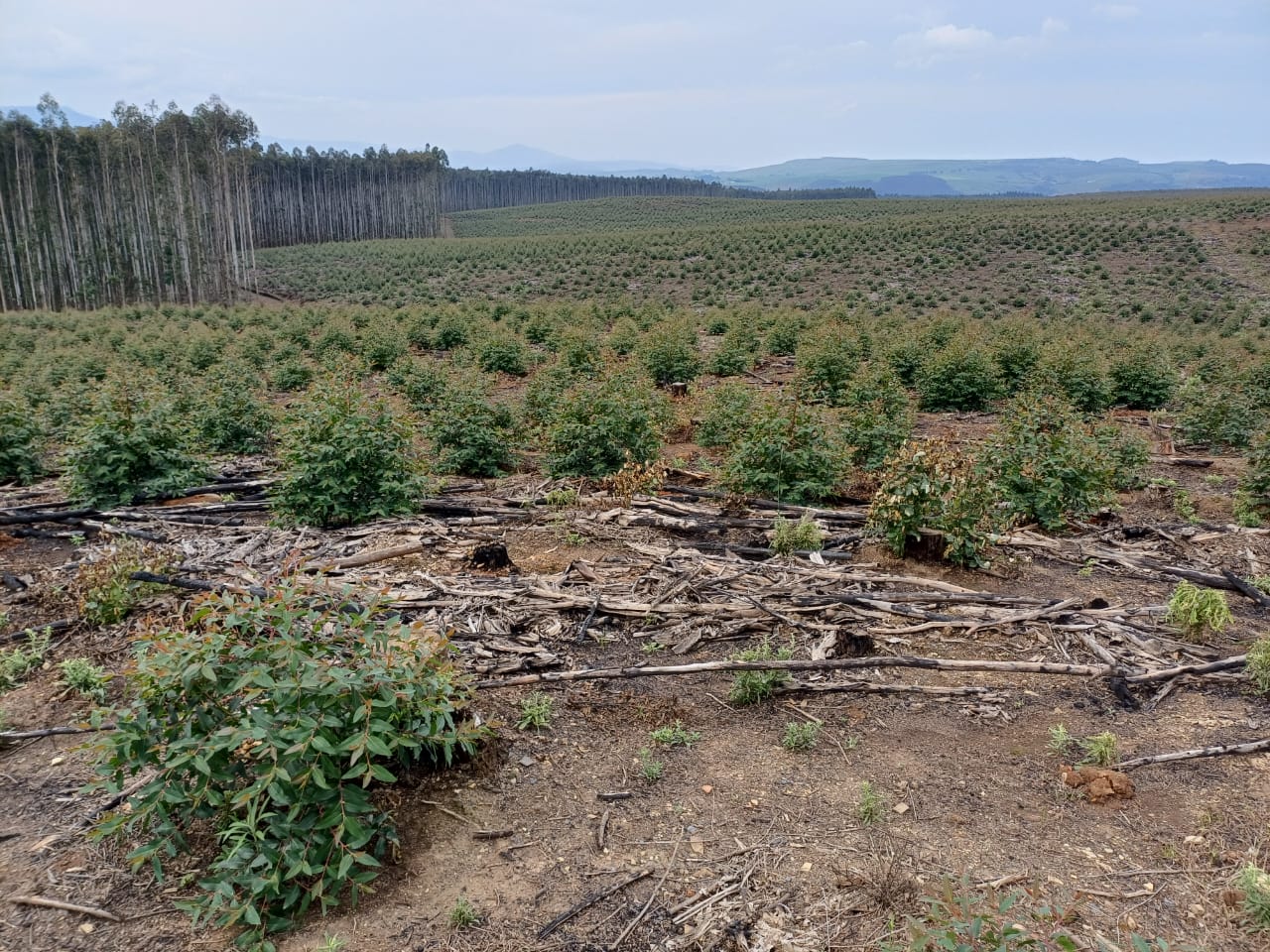
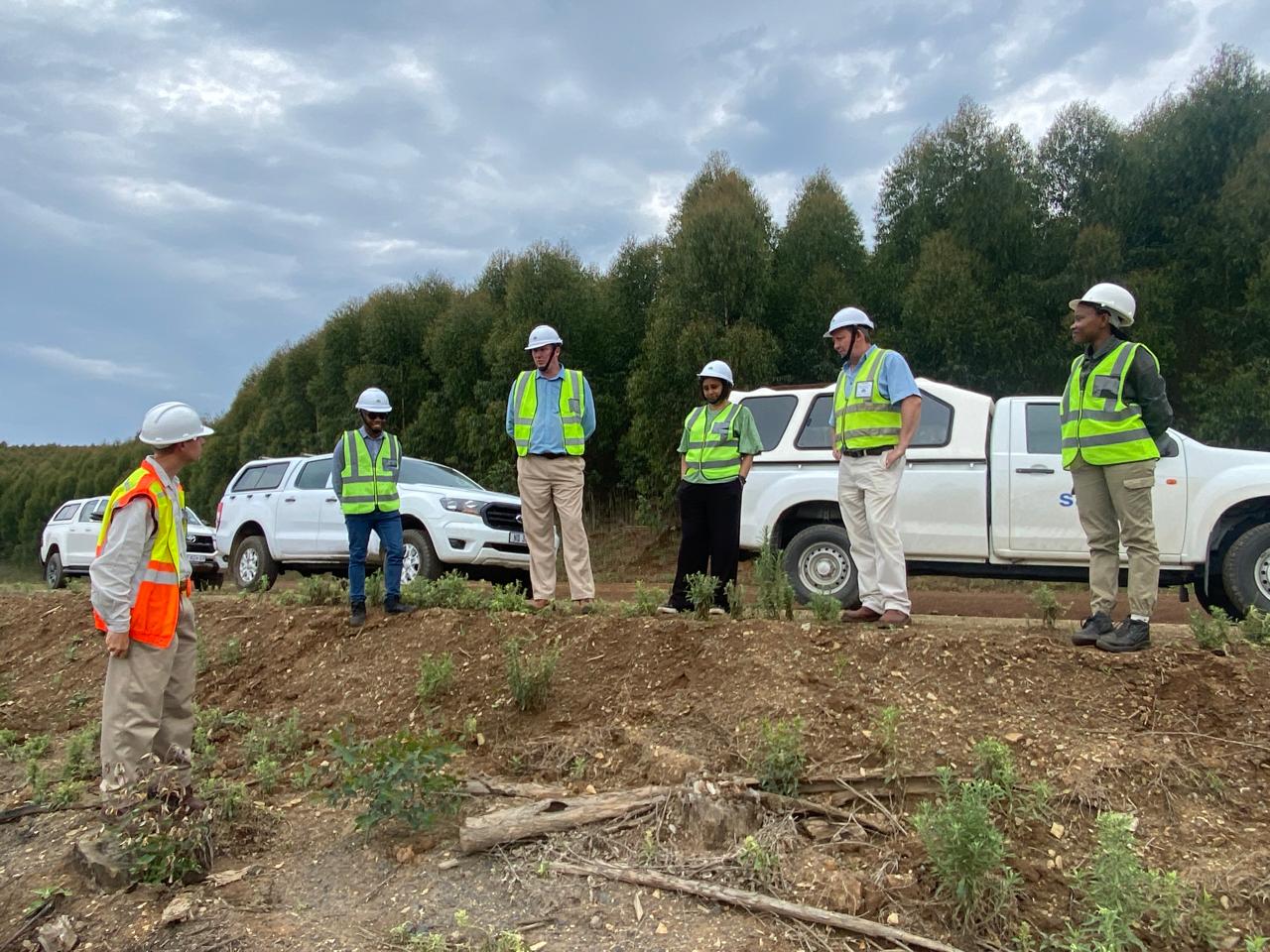
The project using a micro-catchment approach to understanding, quantifying, and monitoring soil loss resulting from forest management interventions has gained excellent momentum this year. This project was initially prioritised by the Environmental forestry blocks and roads to inform management, quantifying the role roads play in sediment delivery, improving the design of roads to limit the transport of sediment, and developing techniques to measure sedimentation in streams. During this year, the SIF leadership also held a site visit to this project and highlighted the importance of this work for the industry.
Forest Management and Remote Sensing
Principal investigators: Prof Bruce Talbot (SU), Prof Bernard Slippers (UP), Dr Ilaria Germishuizen (ICFR)
Remote Sensing presents significant new opportunities for forest management, but regulatory compliance has been a challenge. The SIF has enabled the ICFR to achieve full compliance, thereby setting a model for other organisations to follow. As part of this initiative, the programme exemplifies a strong collaborative approach. The ICFR, University of Pretoria, and Stellenbosch University are jointly developing a cutting-edge remote sensing platform to drive innovation in forest management. With a strong emphasis on forest health, the ICFR and FABI are working to establish remote sensing tools that could become part of a national forest health monitoring program. The foundation of this monitoring system lies in spectral anomaly detection, which involves identifying deviations in spectral signatures to pinpoint forest damage. To achieve this, the system requires comprehensive spectral datasets that encompass both pest- and pathogen-induced damage and healthy forestry species across different crop stages and seasons.
Precision Forestry Approach to Modernising Pesticide Testing, Availability and Sustainable Use Across the Forestry Sector
Principal investigators: Jacqui Meyer (TIPWG), Prof Bruce Talbot (SU), Dr Mesfin Gossa (ICFR)
The Timber Industry Pesticide Working Group (TIPWG) prioritised this programme in the current round of the SIF to focus on expanding the pest management toolkit available to the South African Forestry Industry to ensure continued productivity improvements.
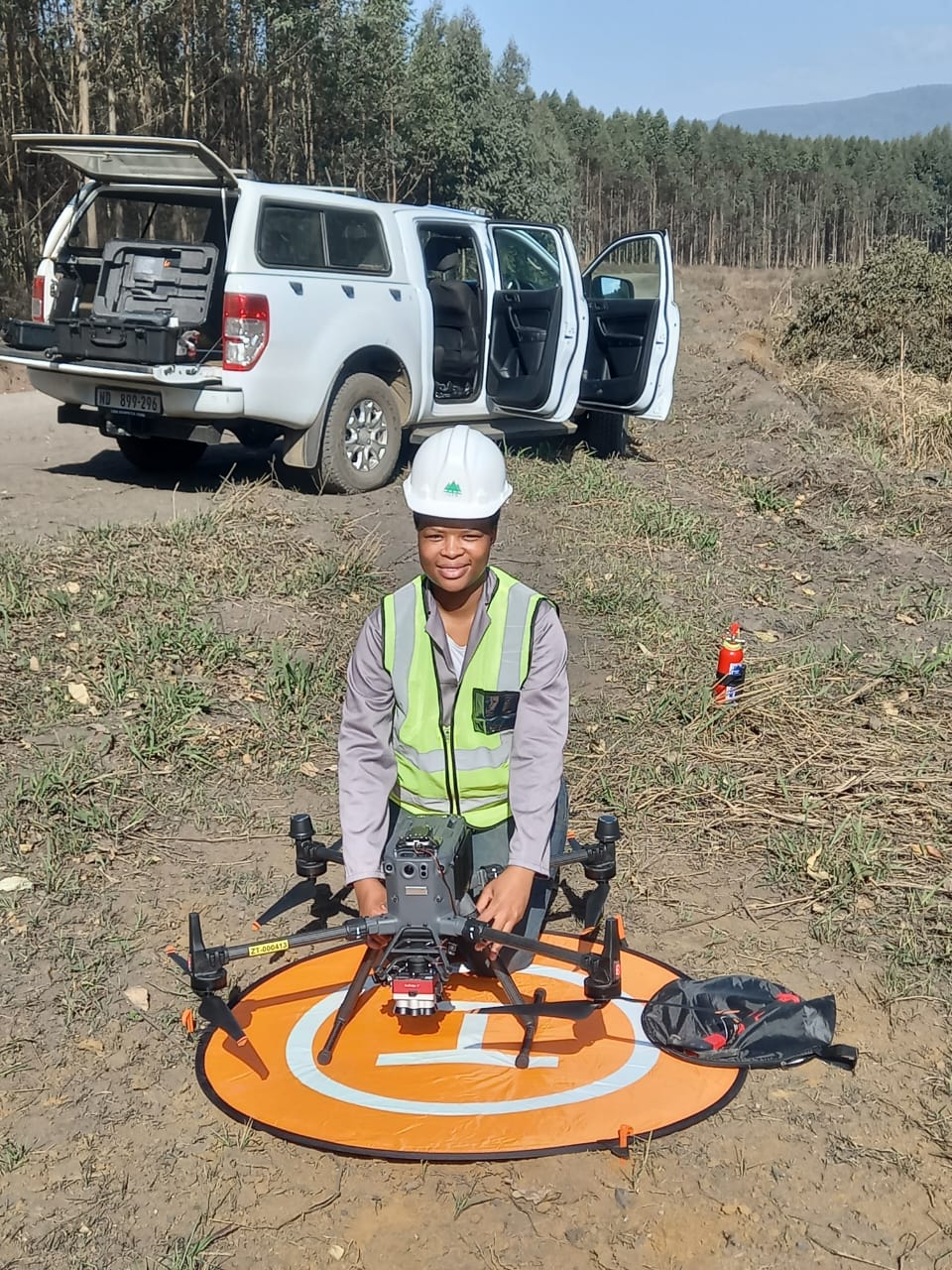
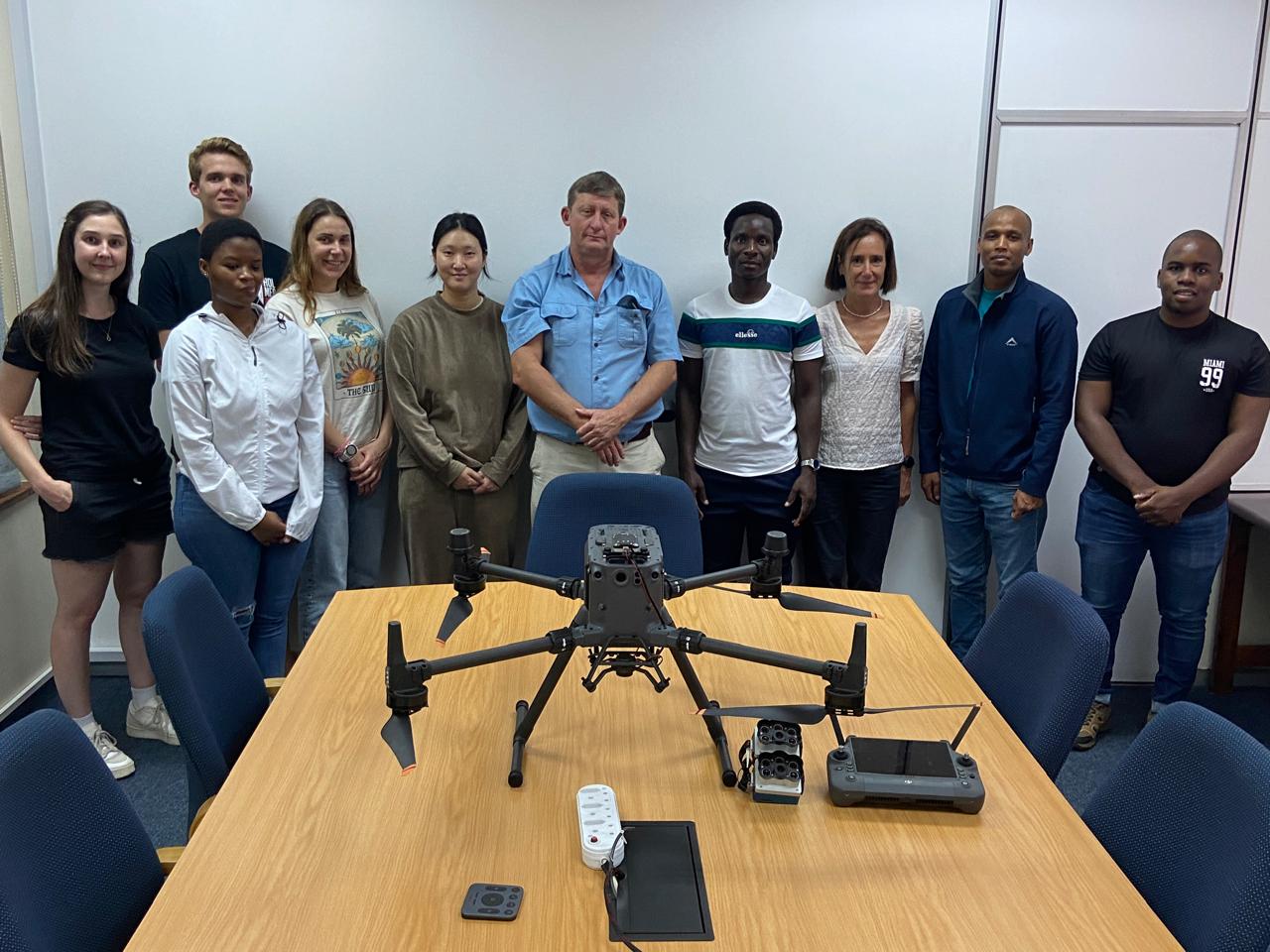
This programme consists of two projects between Stellenbosch University (SU) and the ICFR. The SU component addresses the application of drone technology and remote sensing in pest management whereas the ICFR component is testing alternative pesticide products. This year has seen important steps forward in this programme.
The SU component has developed initial models for detection of weeds using drone-based remote sensing and is currently working on publishing this work in an academic journal. Ongoing work includes quantifying the real-life pros, cons and costs of the various pesticide application methods (incl. drones). This will aid foresters in decision-making when considering the many factors involved in vegetative management.
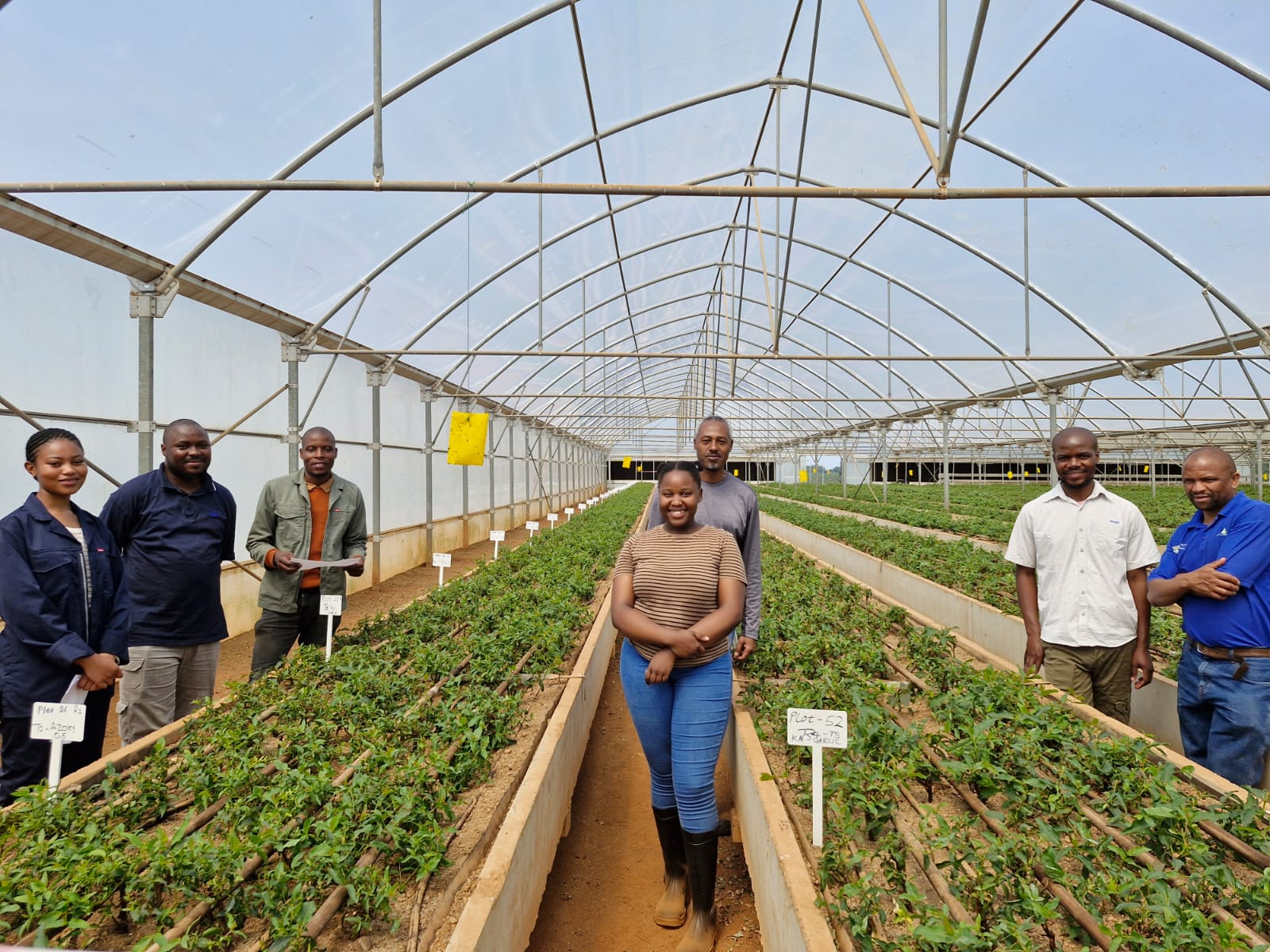
Meanwhile, the ICFR component implemented eight pre-screening trials on nursery pathogens that were prioritised based on the outputs of the nursery survey. These include three powdery mildew, three Quambalaria, and two rooting tunnel disease complex (Botrytis and Rhizoctonia) trials. Two of the products that demonstrated efficacy in controlling Quambalaria eucalypti and one product which was found effective against powdery mildew are now being further tested in structured verification trials in collaboration with the manufacturer, Syngenta. This is a necessary step towards submitting the label extension application to the registrar, which is required for the legal use of the products in forestry.
Determining the genetic architecture of resistance to Teratosphaeria destructans in Eucalyptus
Principal investigators: Prof Sanushka Naidoo (UP)
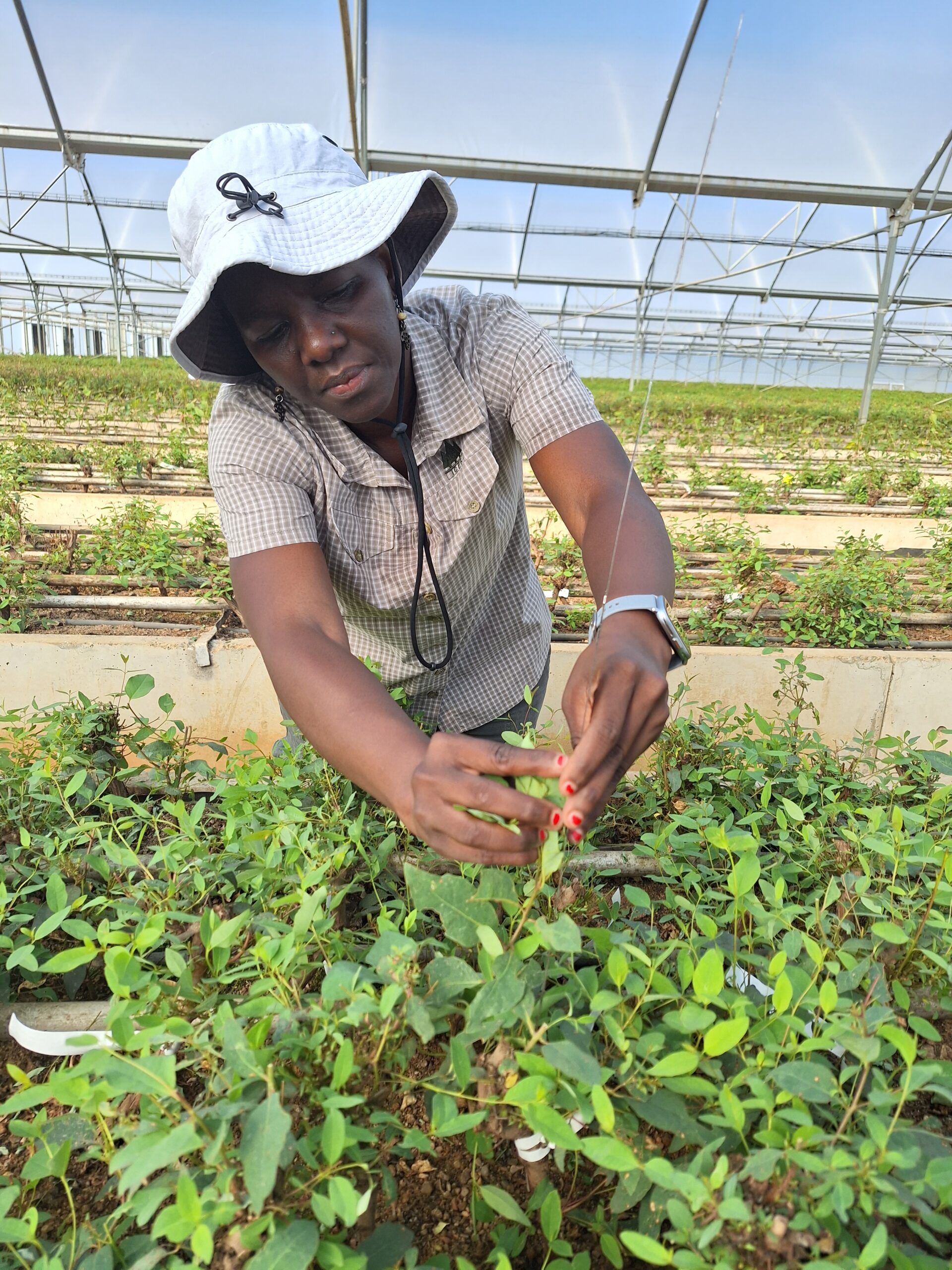
This project is linked to the DNA Fingerprinting Platform and leverages the Industry investment and builds on it through the SIF investment. The pathogen Teratosphaeria destructans has emerged as a serious threat to Eucalyptus production. The genetic architecture underlying T. destructans resistance remains unclear. It is unknown whether the underlying architecture differs between pure-bred parents and hybrid offspring. Therefore, this work seeks to address this gap by discovering disease resistance Quantitative Trait Loci in two GU x G backcross families to obtain the first insights into the architecture underlying resistance to this important fungal pathogen.
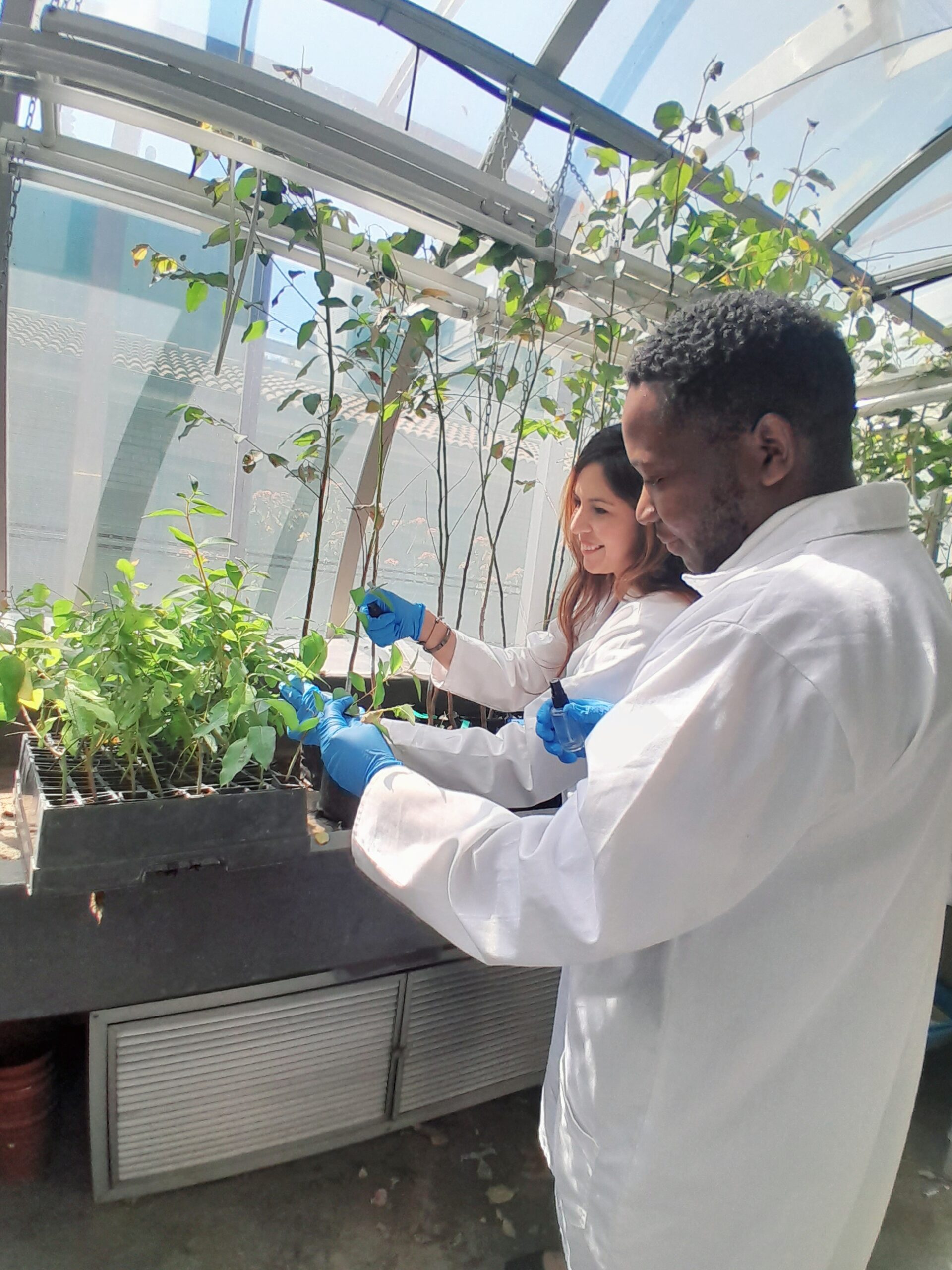
The aim of this project is to uncover the genetic architecture governing resistance to T. destructans in the parents of F2 backcross progeny of E. grandis x E. urophylla hybrids. The progression of this project has been exceptional this year and a paper entitled “Gene expression profiling reveals the involvement of phenylpropanoids in Eucalyptus resistance to Teratosphaeria destructans” has been submitted for publication. In addition, three families have been phenotyped in order to determine the molecular markers governing the plant resistance to the pathogen. This work also continues to support the capacity building in applied genomics for the Forestry Sector.